In short. Moroccan food is slow, spiced and shared. The main dishes are tagine, couscous and pastilla, served with bread, salads and mint tea. Meals are eaten together, from the same dishes, and lunch is the main meal of the day. This guide covers what to eat, where to try it, what it costs, and how to eat well on the road, in the cities and in the desert.
Tagine: The Heart of Moroccan Food
A tagine is both the dish and the clay pot it is cooked in. Meat, vegetables and spices cook slowly over coals, and the cone-shaped lid keeps the steam in. The most common tagines are chicken with lemon and olives, lamb with prunes and almonds, and vegetable tagine with carrots, courgettes and potatoes. A tagine for one person costs a few dirhams in a small cafe and more in a city restaurant.
Eat tagine with bread, not with a fork. Tear a piece of bread and use it to pick up the meat and the sauce. The bread is baked fresh each day in clay ovens, and it is served warm. If you eat in a home, the tagine is placed in the middle and everyone eats from it. Wait to be shown where to sit, and use your right hand. A tagine takes time to cook, so order it early if you are in a hurry.
Couscous, Pastilla and Bread
Couscous is the Friday dish in Morocco. Fine semolina is steamed three times, then served with vegetables, chickpeas and meat in a rich broth. Friday is the day of prayer, and families eat couscous together after the midday prayer. Many restaurants serve couscous only on Fridays, so ask if you want to try it on another day.
Pastilla is a pie of thin pastry, filled with pigeon or chicken, almonds and cinnamon, and dusted with sugar. It sounds odd, but the mix of sweet and savoury works well. It is often served at weddings and feasts, and in good restaurants in Fes. Bread is served with every meal. It is round, flat and baked in clay ovens. Do not waste bread. It is seen as a gift, and leftover bread is kept, not thrown away.
Street Food and the Markets
Street food in Morocco is cheap, fresh and full of flavour. In Jemaa el-Fnaa in Marrakech, the night stalls grill meats, fry fish and serve soups. A full meal at a stall costs a few dirhams, and the stalls are busy with locals, which is a good sign. Try harira, a tomato and lentil soup, and brochettes, small skewers of grilled meat served with bread.
In Fes, try the small sandwich shops near the medina gates. In Essaouira, eat grilled fish at the port, where the boats come in each morning. Pick a stall that is busy and where the food is cooked in front of you. Wash your hands before you eat, and drink bottled water. Street food is safe if it is fresh and hot, but skip raw salads from street stalls if your stomach is sensitive.
Mint Tea and Drinks
Mint tea is the drink of Morocco. Green tea, fresh mint and sugar are poured from a height into small glasses. It is served on arrival in a home, a shop or a camp, and it is polite to accept at least one glass. The tea is sweet, so ask for less sugar if you prefer it that way. In the desert, tea is served after dinner, and the camp staff pour it with care.
Other drinks are fresh orange juice, avocado smoothies and almond milk. In the cities, cafes serve coffee, both black and with milk. Alcohol is served in some hotels and licensed restaurants, but not in most small cafes. Tap water is not safe to drink, so order bottled water. A small bottle costs a few dirhams in a shop, and a large bottle costs a little more.
Eating on the Road and in the Desert
Lunch on the road costs about 8 to 20 euros per person. Road restaurants serve tagine, grilled meats, salads and omelettes, and the food is simple and fresh. Most tours do not include lunch, so carry cash in dirhams. Stop at a busy restaurant, as it means the food turns over fast and is fresh. A road lunch takes about 45 minutes to an hour.
In the desert camp, dinner is included in the tour price. It is often a tagine or a grilled meat, served with bread, salad and fruit. Breakfast is bread, jam, cheese, eggs and tea or coffee. If you have a food allergy or you do not eat meat, tell your tour company when you book. Camps can cook a vegetable tagine with notice, but they need to know in advance.
Food by City: Where to Eat Well
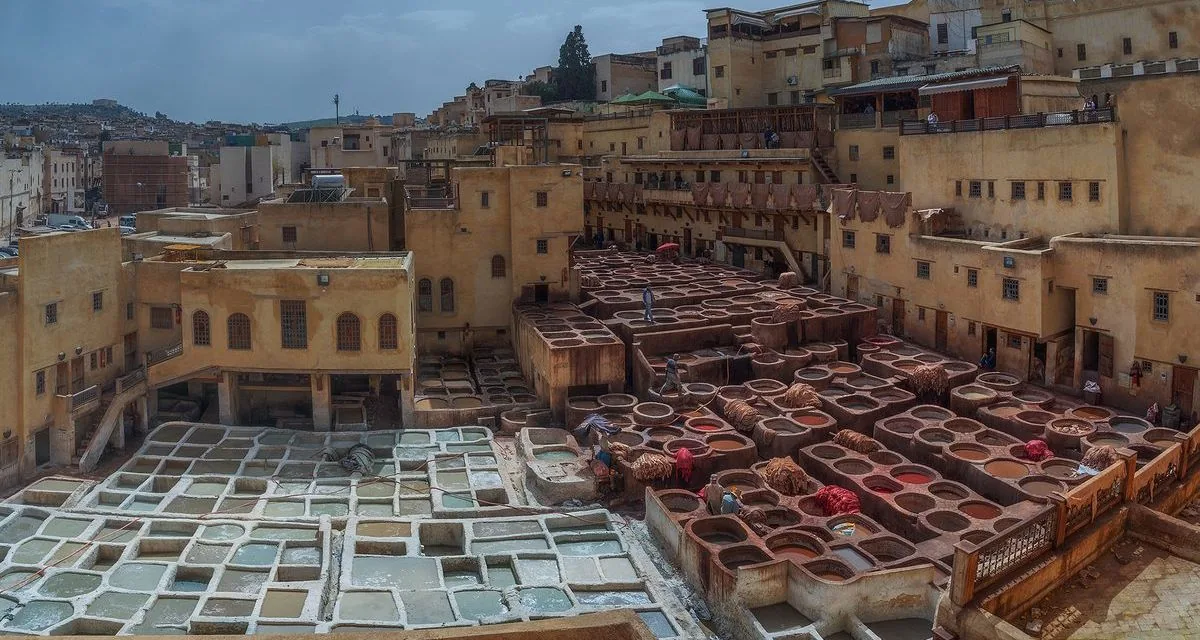
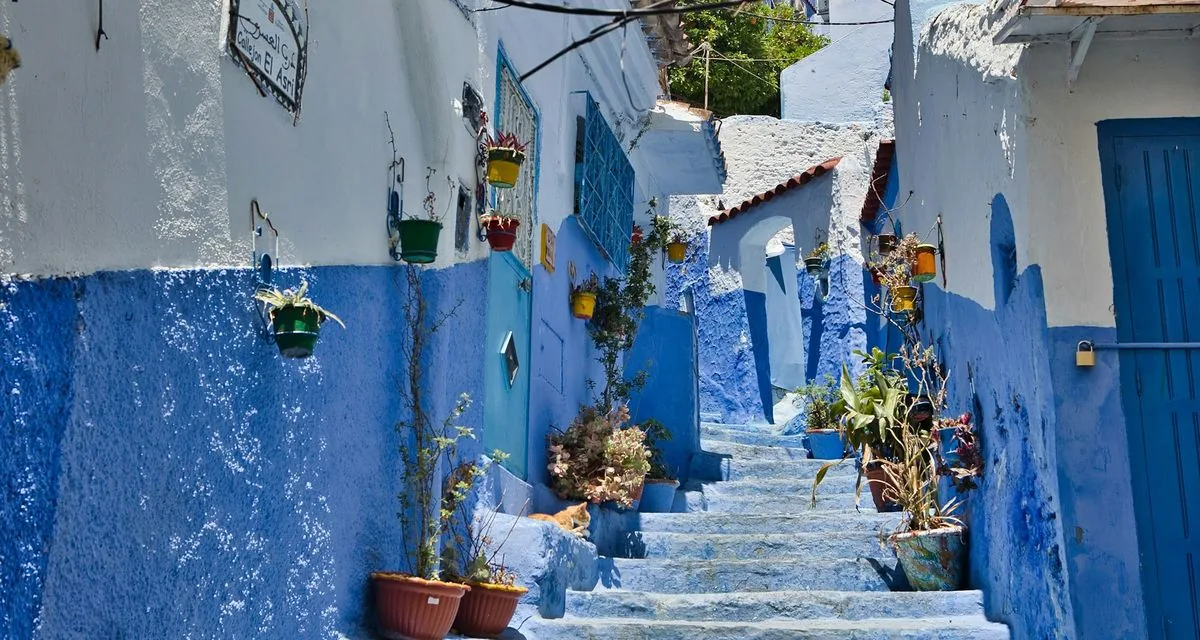
Marrakech has the widest choice, from night stalls in Jemaa el-Fnaa to rooftop restaurants in the medina. Fes is the best city for classic dishes, with old restaurants serving pastilla and couscous. Essaouira is the best city for fish, with grilled sardines and sea bass at the port. Chefchaouen has small cafes with mountain views and simple tagines.
Casablanca has French-style cafes and seafood restaurants along the coast. Rabat has quiet restaurants near the kasbah and the medina. In every city, the best food is often in a small place with no sign in English. Ask your guide or your riad host where they eat. A local tip is worth more than a list from a guidebook, and it often costs less too.
Food Tips: Allergies, Vegetarians and Children
Vegetarians can eat well in Morocco. Vegetable tagine, couscous with vegetables, lentil soup and salads are on most menus. Tell the cook you do not eat meat, as some tagines use meat stock. Vegans should ask about butter and stock too. If you have a nut allergy, be careful with pastilla and some sweets, as they use almonds. Tell your guide and your hotel in writing.
Children like Moroccan food more than you might think. Grilled chicken, bread, fries and fruit are easy to find. Tagine is mild, not hot, and the spices are warm, not sharp. Bring snacks for long drives, as lunch can be late on a tour day. If your child is a picky eater, ask for plain grilled meat and bread. Most cooks are glad to make a simple plate for a child.