In short. Marrakech is the most visited city in Morocco, and for good reason. The medina has the square of Jemaa el-Fnaa, the souks, the palaces and the gardens, and the Atlas Mountains sit on the horizon. This guide covers the best things to do in Marrakech, how long each one takes, what it costs, and how to plan two or three days in the city without rushing.
Jemaa el-Fnaa and the Medina
Jemaa el-Fnaa is the main square of Marrakech, and it is the heart of the city. In the day, it has juice stalls, snake charmers and storytellers. At night, it fills with food stalls, smoke and music, and the whole square becomes an open-air restaurant. A meal at a night stall costs a few dirhams, and the food is grilled in front of you. Go at sunset, when the light is soft and the square fills up.
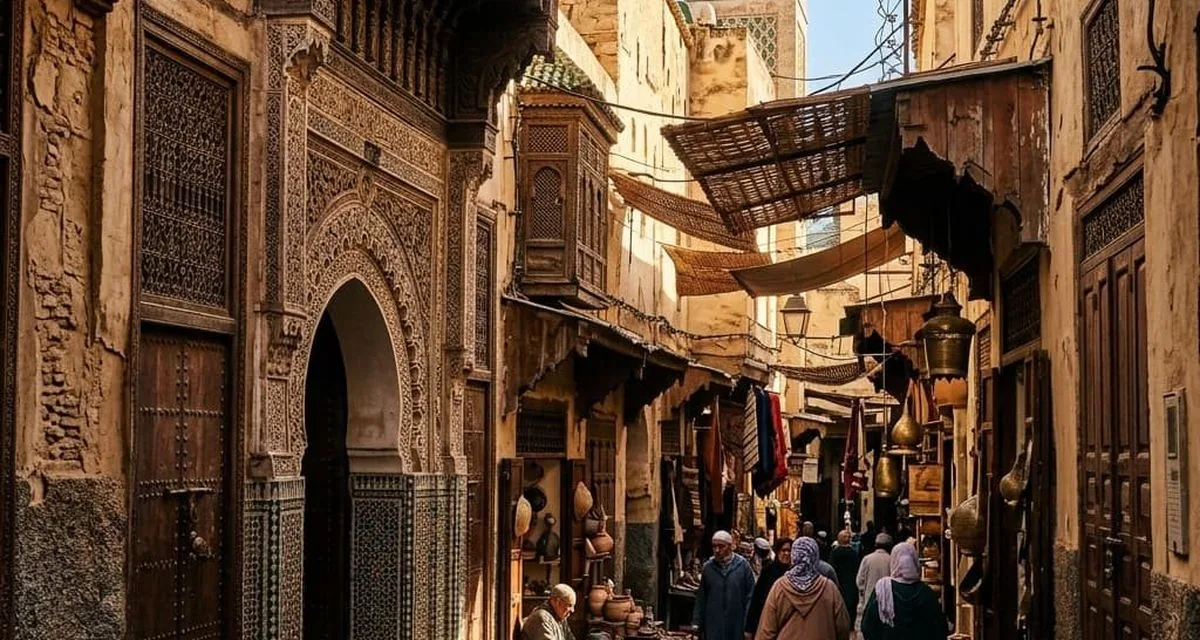
The medina lanes around the square hold the souks, the mosques and the old houses. The lanes are narrow, stone and easy to get lost in, so go with a guide on your first morning. A guide shows you the main routes, the best shops and the quiet lanes. Plan two to three hours for the square and the souks, then take a break in a rooftop cafe. The medina is best in small doses, with breaks in between.
The Souks: Shopping and Haggling
The souks of Marrakech are a set of covered lanes, each with its own trade: leather, brass, carpets, spices and pottery. The lanes are loud, full of colour and full of sellers. Haggling is normal. Start at about half the first price and meet in the middle. Keep it friendly and calm, and set your top price before you start. If you do not want to buy, say no thank you and keep walking.
Go in the morning, when the souks are cooler and quieter. Keep your bag in front of you, and keep cash in a safe pocket. Wear good shoes, as the lanes are stone and uneven. Plan for two hours at most, then take a break. The best buys are leather bags, slippers, lamps, spices and small pottery. Ask where each item was made before you buy, and compare prices in two or three shops.
Palaces, Gardens and Museums
The Bahia Palace is the best palace to visit in Marrakech. It has painted ceilings, tiled courtyards and quiet gardens, and it takes about an hour to walk through. The El Badi Palace is a ruin with wide open space and views over the medina. The Saadian Tombs, near the Kasbah, have fine tile work and carved plaster, and they take about 30 minutes to see.
The Jardin Majorelle is a blue-walled garden with cacti, bamboo and a small museum. It is the most visited garden in the city, so go early in the morning to avoid the crowds. The Menara Gardens, outside the city, have an olive grove and a pavilion with views of the Atlas. The Koutoubia Mosque, next to the square, has a tall minaret that is the symbol of the city. Non-Muslims cannot enter the mosque, but they can walk the gardens around it.
Food, Rooftops and Hammams
Food in Marrakech is a highlight. The night stalls in Jemaa el-Fnaa grill meats, fry fish and serve harira soup. A full meal at a stall costs a few dirhams. The rooftop restaurants in the medina serve tagine and pastilla with views over the square. Lunch in a city restaurant costs about 10 to 25 euros per person, and a simple lunch on the road costs about 8 to 20 euros.
After a long day of walking, try a hammam. A spa hammam in a riad costs about 20 to 50 euros, with a therapist who washes and scrubs you. A public hammam costs a small entry fee, often under 2 euros, plus a few dirhams for soap and a glove. A cooking class is another good choice. It takes about three hours, and you cook a tagine and a salad with a local cook.
Day Trips from Marrakech
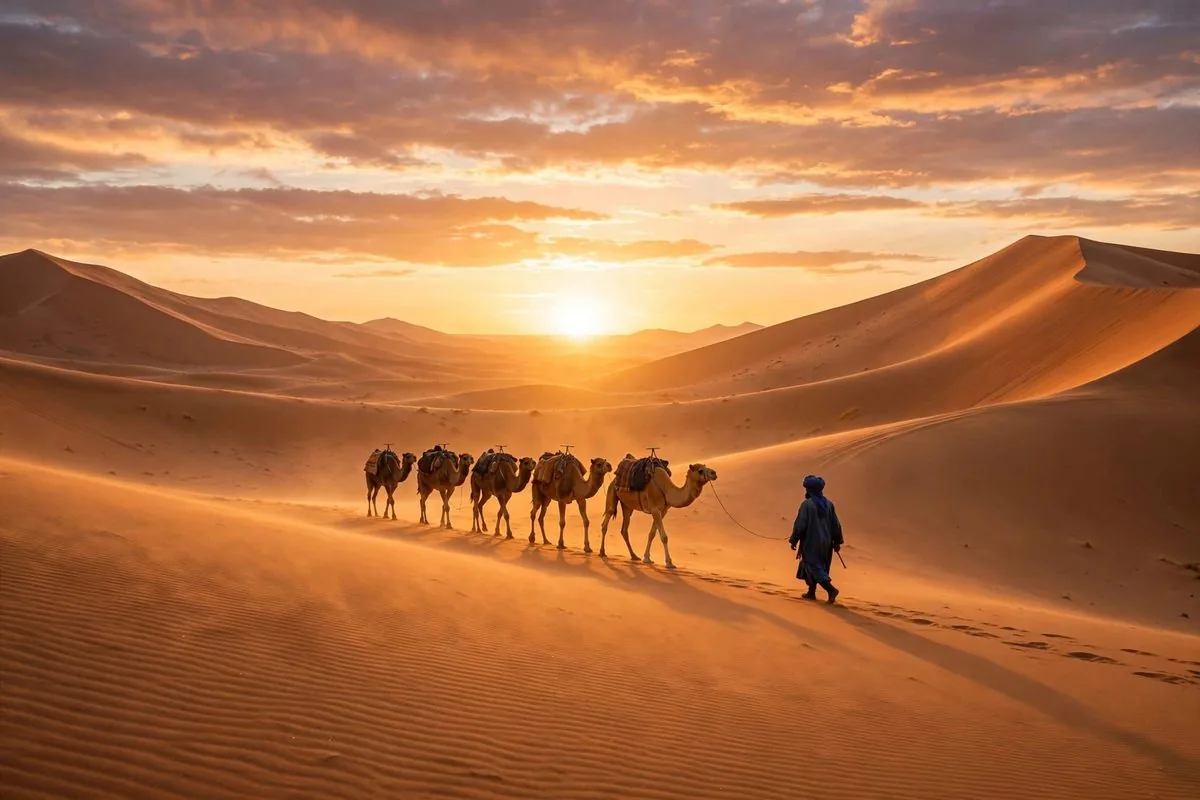
Marrakech is a good base for day trips. The Ourika Valley is about 60 km away and 90 minutes by road, with riverside cafes and waterfalls. Imlil, in the Atlas, is about 65 km away and 90 minutes by road, with walks to the village of Aroumd. The Agafay desert is about 45 minutes away, with camps, camel rides and sunset views.
The Ouzoud waterfalls are about 150 km away and three hours each way, so it is a full day. Essaouira, on the coast, is about 190 km away and three hours by road, with a medina, a port and a beach. Pick one day trip per day. Trying to see two in one day means most of your time goes to driving. A day trip is a good rest from the medina, and it shows you the land around the city.
Where to Stay in Marrakech
Stay in a riad in the medina if you want character and a host who knows the city. A good riad costs about 50 to 100 euros per night, with breakfast included. The lanes outside the riad can be confusing at first, so ask for the meeting point before you arrive. Most riads meet you at a main gate or send a porter to carry your bag.
Stay in a hotel in the new town if you want a lift, a pool and a room with a view. The new town is quieter and easier to walk, with wide streets and cafes. It is a short taxi ride from the medina. Whatever you pick, book early in spring and autumn, as the best places fill fast. Read recent reviews, and check the location on a map before you book.
How Many Days Do You Need in Marrakech?
Two days is enough to see the main sights: the square, the souks, the Bahia Palace, the Saadian Tombs and the Jardin Majorelle. Three days gives you time for a day trip to the Atlas or the Agafay desert, and a slow morning in a cafe. Four days lets you add Essaouira or the Ouzoud waterfalls, and a cooking class or a hammam.
Do not try to see everything in one day. The medina is hot and busy, and a full day of walking will tire you out. Plan one main sight in the morning, a long lunch, and one sight in the late afternoon. Leave a free morning for a cafe and a walk. Marrakech rewards a slow pace, and the best moments are often the ones you did not plan.