In short. Rabat is the capital of Morocco, a calm city on the Atlantic with a kasbah, a medina, gardens and wide streets. It is quieter than Casablanca and Marrakech, and it is easy to walk. This guide covers the best things to do in Rabat, how long each one takes, what it costs, and how to plan one or two days in the capital.
The Kasbah of the Udayas
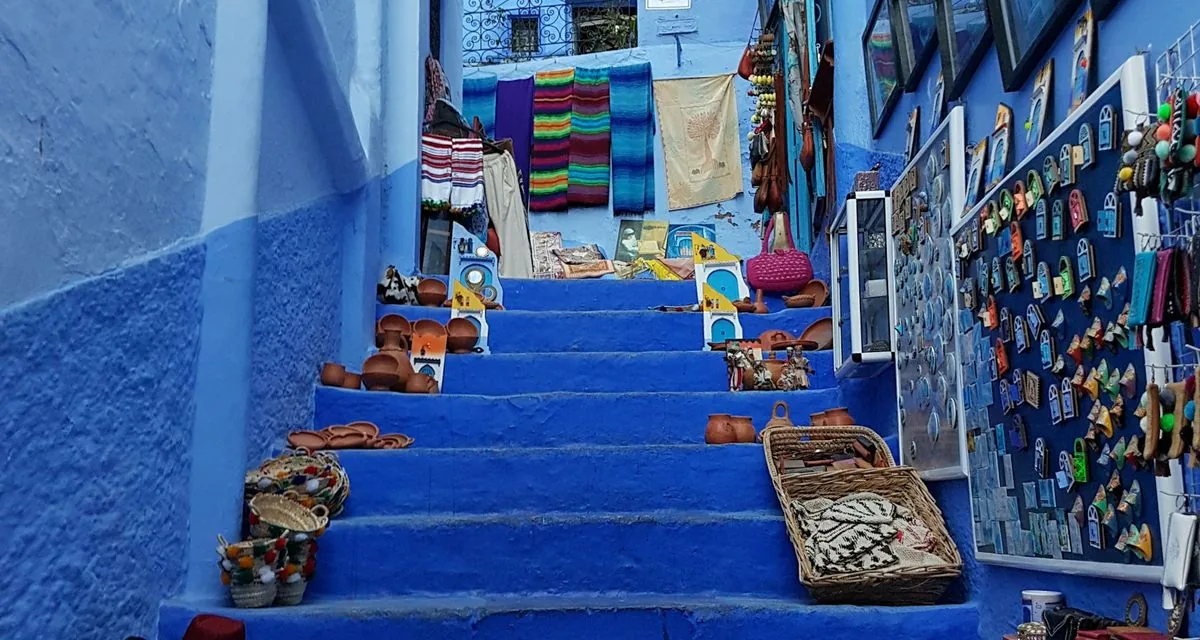
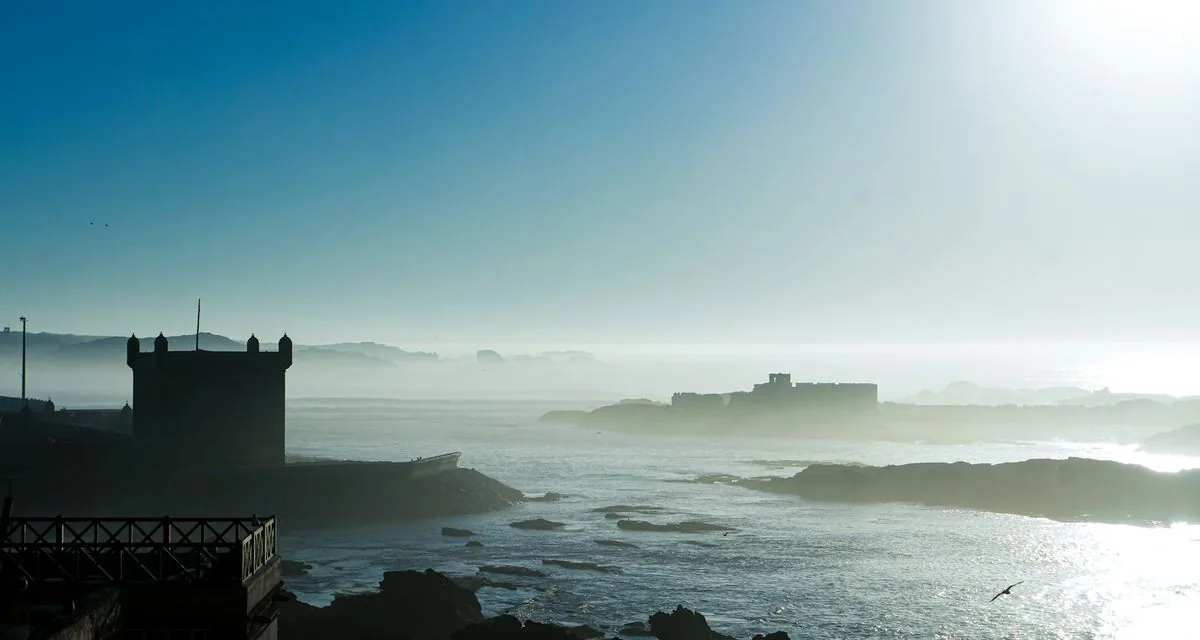
The Kasbah of the Udayas is the best place to start in Rabat. It is an old fort on a hill above the sea, with blue and white streets, a garden and views over the river and the Atlantic. Walk the lanes in the morning, when the light is soft and the streets are quiet. The kasbah is small, and a slow walk takes about an hour.
The Andalusian Garden, inside the kasbah, has orange trees, fountains and quiet paths. It is a good rest from the sun. The cafe at the top of the kasbah serves mint tea with a view over the sea. The entry to the kasbah is free, and the garden costs a few dirhams. Wear good shoes, as the lanes are stone and steep in places. The cafe at the top of the kasbah serves mint tea with a view over the sea, and it is a good place to rest after the climb.
Hassan Tower and the Mausoleum
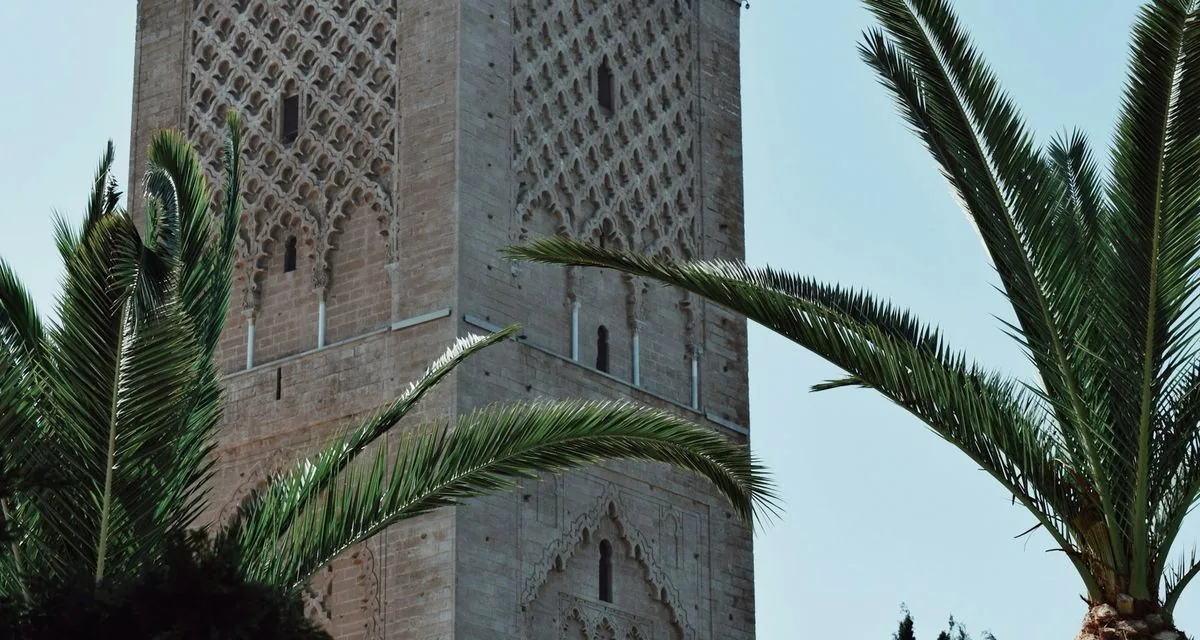
Hassan Tower is the minaret of a mosque that was never finished, started in the 12th century. It stands 44 m tall, with a wide esplanade of columns around it. The tower is the symbol of Rabat, and it is a short walk from the medina. The visit is free, and it takes about 30 minutes to walk the site.
Next to the tower is the Mausoleum of Mohammed V, with white marble, green tiles and a guard of honour. The mausoleum is open to visitors, and it is free. Dress with care, as it is a place of respect. The site is best in the morning or the late afternoon, when the light is soft and the crowds are small. Dress with care, as the mausoleum is a place of respect, and keep your voice low inside.
The Chellah Necropolis
The Chellah is a walled site south of the city, with Roman ruins, a medieval necropolis and gardens full of storks. The site was a Roman city, then a Muslim burial ground, and today it is a quiet park with old walls, arches and birds. The entry fee is a few dirhams, and the visit takes about an hour.
Walk the paths slowly, and look for the storks that nest on the old walls. The gardens are green and calm, and they are a good rest from the city. Look for the storks that nest on the old walls, and walk the paths slowly, as the site is best when you take your time. The Chellah is best in the morning, when the birds are active and the light is good. Bring water and a hat, as there is little shade on the open paths.
The Medina and the New Town
The medina of Rabat is small, white and easy to walk. The lanes are straight, the shops are open, and the market is busy with locals. Walk the medina in the morning, when the shops open and the light is good. The medina has carpets, leather and pottery, and the prices are often lower than in Marrakech. Haggle gently, starting at about half the first price.
The new town has wide streets, cafes and the main train station. Avenue Mohammed V is the main street, with shops, cafes and the parliament building. It is a good place for a calm evening walk. The train station is in the new town, with trains to Casablanca, Fes and Tangier. If you stay in the new town, take a taxi to the kasbah each morning, as the walk is long and the streets are busy. If you stay in the new town, take a taxi to the kasbah each morning.
Museums and Gardens
Rabat has good museums for a capital city. The Archaeological Museum has Roman finds from Volubilis and other sites, including mosaics and statues. The Museum of Modern and Contemporary Art has Moroccan and world art, with changing shows. The entry fees are a few dirhams each, and a visit takes about an hour.
The Botanical Gardens, near the medina, have palm trees, flowers and quiet paths. They are a good rest from the sun. The Jardin d'Essais, the test garden, is larger, with trees from around the world. Both are free or cost a few dirhams. Plan a morning for the museums and an afternoon for the gardens, with a long lunch in between. The Archaeological Museum has Roman finds from Volubilis, including mosaics and statues, and the entry fee is a few dirhams.
Food and Where to Stay
Food in Rabat is calm and good. Try tagine, pastilla and couscous in the small restaurants near the medina. A lunch costs about 8 to 20 euros per person, and a dinner costs about 10 to 25 euros. The cafes on the main streets serve mint tea, coffee and pastries, and they are good for a slow morning. Try the fish restaurants near the river, where the fish is fresh each day.
Stay in a hotel in the new town or a riad in the medina. A good hotel costs about 60 to 100 euros per night, with breakfast included. The new town is easier to walk and closer to the train station. The medina is closer to the kasbah and the river. Book early in spring, as the city is popular with visitors and with officials.
How Many Days Do You Need in Rabat?
One day is enough to see the main sights: the kasbah, Hassan Tower, the Chellah and the medina. Two days gives you time for the museums, the gardens and a slow morning in a cafe. Three days lets you add a day trip to Casablanca, which is about an hour by train, or to the beach towns of the coast.
Rabat is a calm city, and it rewards a slow pace. Leave a free morning for a cafe and a walk along the river, as the kasbah and the river are the best parts of the city. Do not try to see everything in a few hours. Plan one main sight in the morning, a long lunch, and one sight in the late afternoon. Leave a free morning for a cafe and a walk. The kasbah and the river are the best parts of the city, and they are best when you have time to sit down.