In short. Winter in Morocco runs from December to February. Days are mild and sunny in the cities and the desert, and nights are cold. Day temperatures in Marrakech are often 18 to 22 degrees, and in the desert they are 17 to 22 degrees. Nights in the desert can drop near 0 degrees. Winter is a good time to visit, because the crowds are small and the prices are lower.
Winter weather by place
Marrakech in winter has sunny days and cool nights. Day temperatures are often 18 to 22 degrees, and nights drop to 5 to 8 degrees. The sun is strong at noon, so a T-shirt works in the day. Bring a jacket for the evening. Rain is possible but short, and the city is dry most days. A light jacket is enough for most winter days in the city.
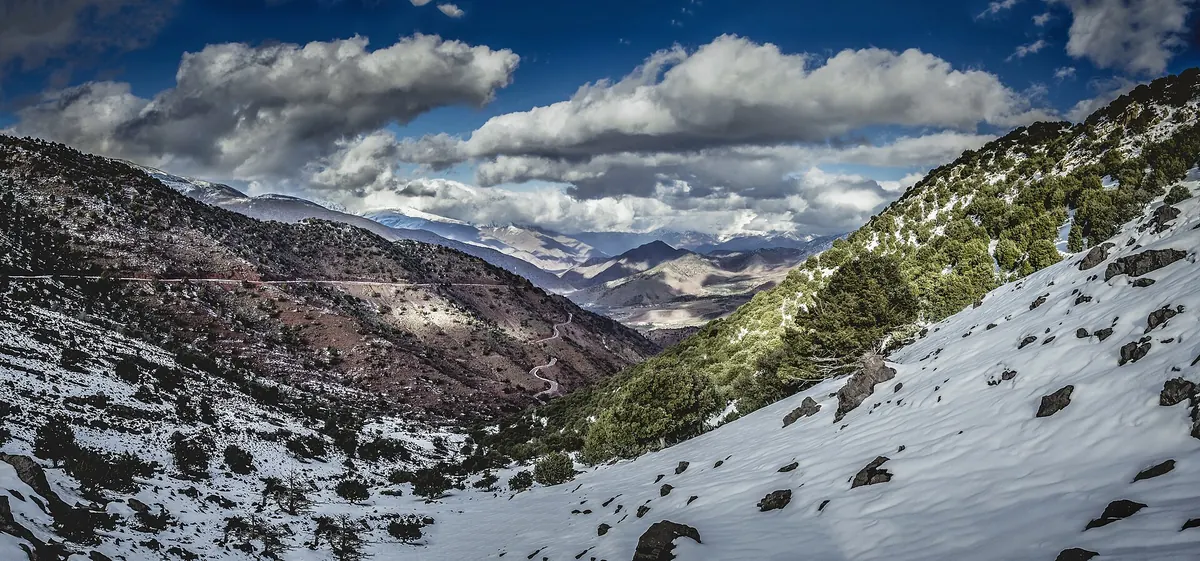
Fes in winter is cooler and wetter than Marrakech. Days are 15 to 19 degrees, and rain is more common. The medina streets can be wet, so wear closed shoes. The desert in winter has clear days of 17 to 22 degrees and very cold nights near 0 degrees. The Atlas Mountains have snow above 2,000 m, and the Tizi n'Tichka Pass at 2,260 m can have snow or ice in the morning.
The desert in winter
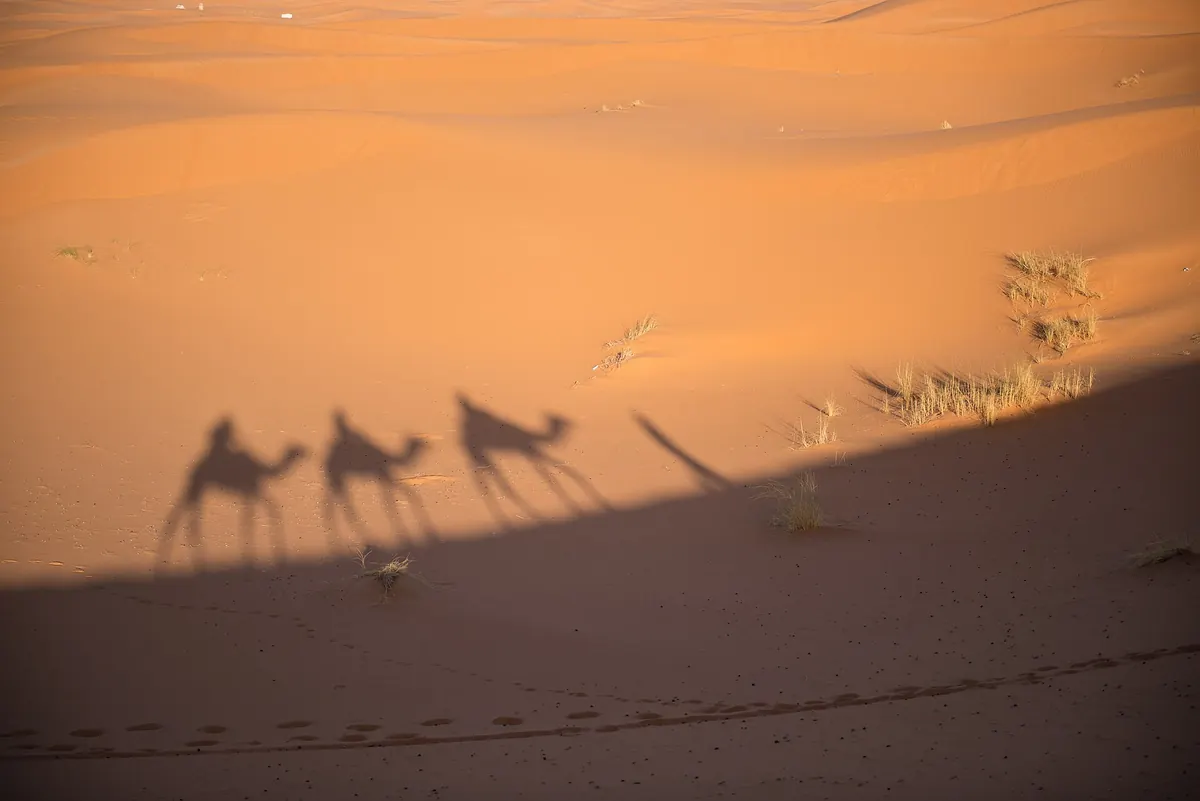
Winter is a good time for the desert, if you pack for the cold night. The days are pleasant, the sky is clear, and the camps are quiet. The camel ride in the afternoon is warm, and the sunset is early, so you have more time at the camp. The stars are bright, because the nights are long and dark.
The cold night is the main thing to plan for. A standard tent has a bed and blankets, but no heater. Bring a warm jacket, warm socks, gloves and a hat for the morning. A luxury camp with a heater makes the night much easier. Drink warm tea at dinner and sleep in your warm layer. Most travellers say the cold night is worth it for the quiet dunes.
Cities in winter
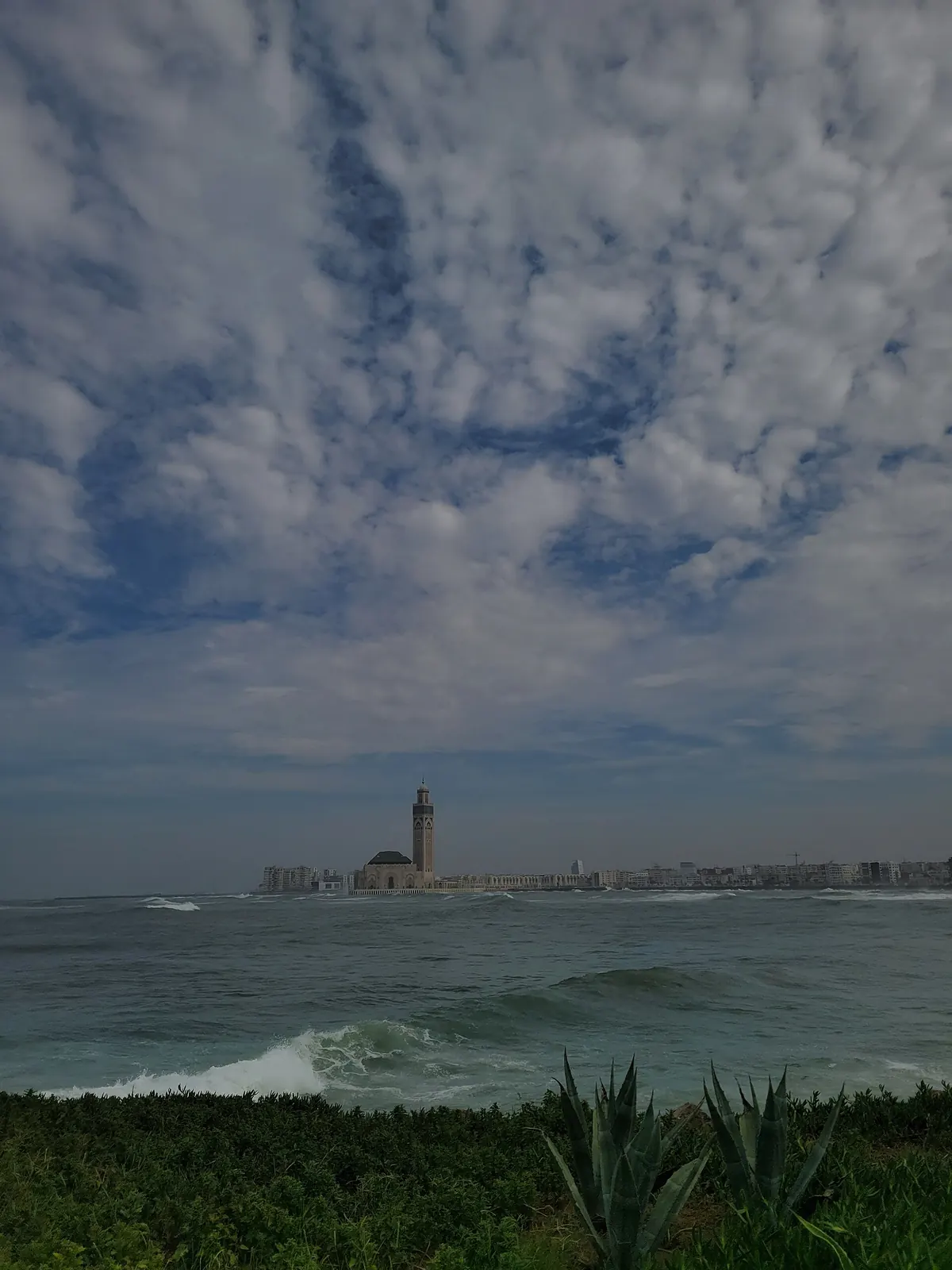
Marrakech in winter is calm. The souks are less crowded, the gardens are green, and the cafes are easy to sit in. The Jardin Majorelle is quiet, and the palaces have short lines. Hotels cost less than in spring, and flights are cheaper. Winter is a good time for a city trip if you want to walk without heat.
Fes in winter is also calm, but wetter. The medina is a maze, and a guide helps in the rain. Chefchaouen in winter is cold and quiet, with fewer visitors. The blue streets look good in the low winter light. Essaouira in winter is windy and cool, with days of 16 to 19 degrees. Bring a jacket for the coast.
What to pack for winter
Pack layers. A T-shirt for the day, a fleece for the afternoon, and a warm jacket for the evening and the desert night. Long trousers, closed shoes and warm socks are needed every day. A scarf, gloves and a hat help in the desert and in the Atlas. A rain jacket is useful in Fes and in the north.
Bring sun cream, because the sun is strong even in winter. Bring a power bank, because cold nights drain phone batteries fast. Pack a small day bag with water, a hat and your camera. Your main bag stays in the car on the desert road, and you take only an overnight bag to the camp.
Roads and drives in winter
The road from Marrakech to Merzouga is open in winter, but the Tizi n'Tichka Pass can be slow in the morning if there is snow or ice. Your driver will leave early and drive slowly on the pass. Allow extra time on the first day of a desert tour. The rest of the road is dry and clear.
If you drive yourself, check the pass in the morning and carry warm clothes and water in the car. Do not drive the pass at night in winter. The road has no lights in places, and the bends are sharp. A tour with a local driver is safer in winter, because the driver knows the road and the weather.
Prices and crowds in winter
Winter is low season in Morocco, so prices are lower. A shared 3-day desert tour from Marrakech often starts from around 120 euros per person, and winter prices are at the low end. Hotels in Marrakech and Fes cost less, and the camps have space. You can book a week ahead in winter, not a month ahead.
The crowds are small. The desert camps are quiet, the medinas are easy to walk, and the sights have short lines. The only busy time is the Christmas and New Year week, when many people travel. If you travel in January or early February, you get the quietest Morocco of the year.
Is winter the right time for you?
Winter suits travellers who like mild days, quiet places and lower prices, and who do not mind cold nights. It suits photographers, because the light is low and the sky is clear. It suits families who want to avoid the summer heat. It does not suit travellers who want warm nights or a beach stay.
If you go in winter, book a luxury camp for the desert night, or bring a very warm layer. Plan the days around the sun: walk in the morning, rest at noon, and eat early in the evening. Winter in Morocco is a calm, clear and cheap time to travel, and it is one of the best times to see the country.
A winter packing checklist
Use this checklist for a winter trip to Morocco. Pack a T-shirt for the day, a fleece for the afternoon, and a warm jacket for the evening and the desert night. Add long trousers, closed shoes, warm socks, a scarf, gloves and a hat. Bring a rain jacket for Fes and the north, because rain is more common there. Bring sun cream, because the sun is strong even in winter, and a power bank, because cold nights drain phone batteries fast. Pack a small day bag with water, a hat and your camera, and keep your passport and cash in a zip pocket.
Before the desert night, check your warm layer and your socks. The camp beds have thick blankets, but a warm layer helps you sleep when the night drops near 0 degrees. If you book a luxury camp with a heater, the night is much easier. Drink warm tea at dinner and sleep in your warm layer. In the morning, put on your jacket before you climb the dune for sunrise, because the sand is cold and the wind is sharp. Winter in Morocco rewards travellers who pack for the cold night and enjoy the clear, quiet days.