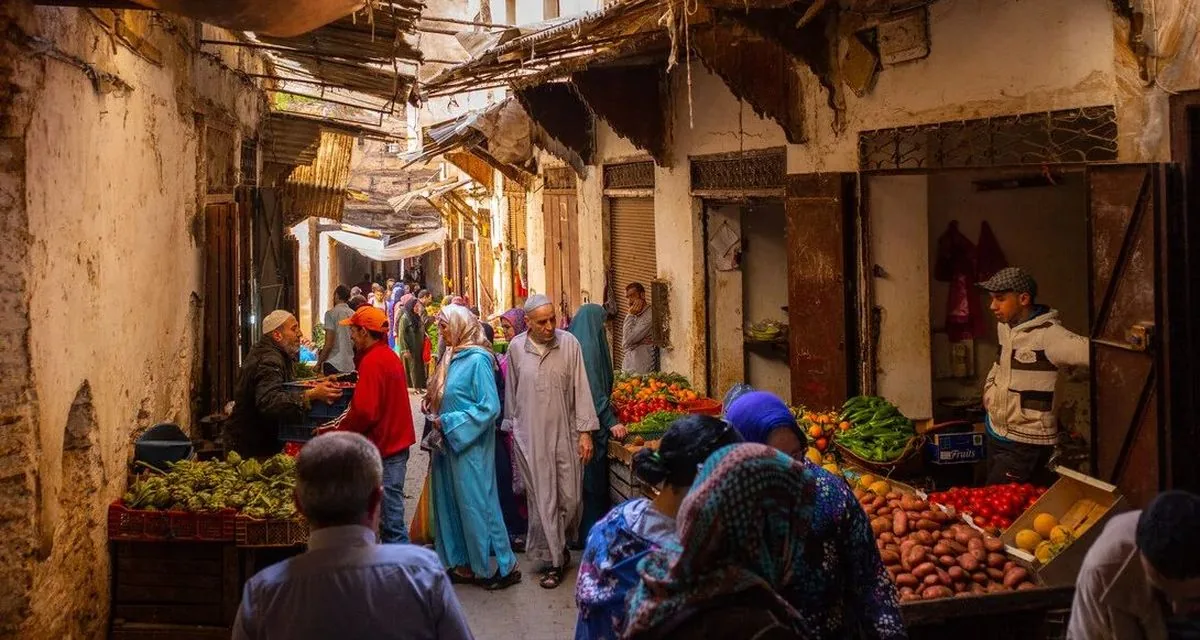
In short. Shopping in Morocco means the souks: covered lanes full of carpets, leather, lamps, spices and pottery. The souks are fun, loud and full of colour, but they can also be tiring if you do not know how they work. This guide covers what to buy, how to haggle, what a fair price looks like, and how to shop without stress or regret.
What to Buy in Morocco
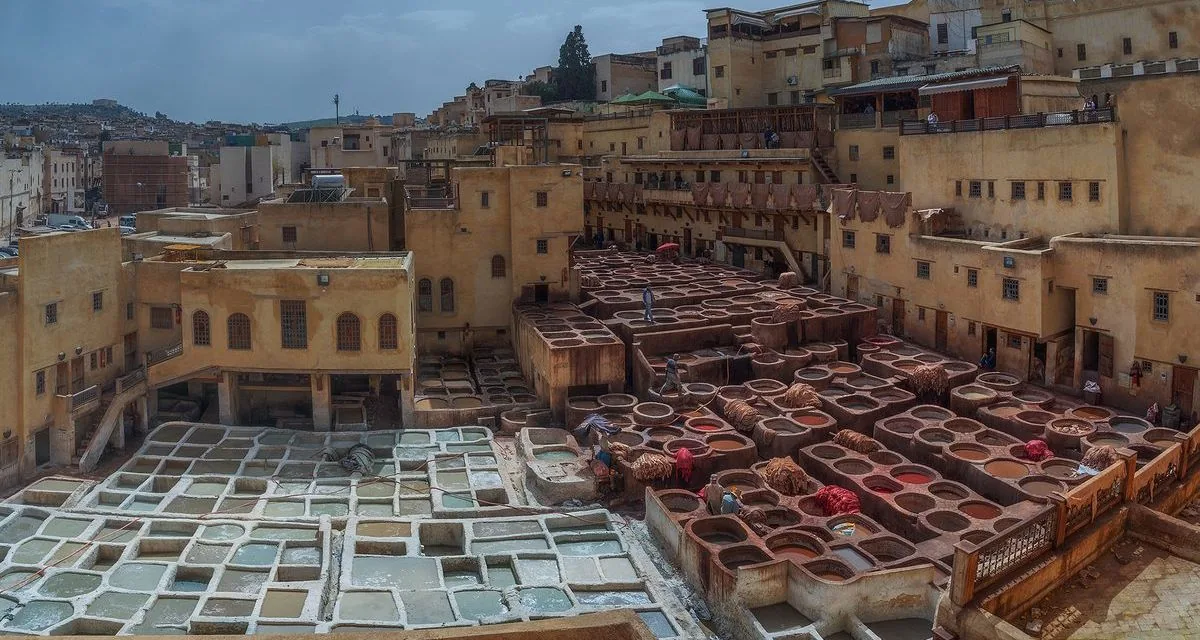
Carpets are the most famous buy. They are woven by hand, often by women in the Atlas villages, and each pattern tells a story about the tribe and the place. A small carpet costs a few hundred dirhams, and a large one costs much more. Leather goods are next: bags, jackets, slippers and poufs, made in the tanneries of Fes and Marrakech. The leather is soft and the colours are rich.
Other good buys are brass lamps, pottery from Fes and Safi, argan oil from the Souss, saffron from Taliouine, and spices from the markets. Spices are cheap and light to carry. A small bag of cumin, paprika or ras el-hanout costs a few dirhams. Buy argan oil in a sealed bottle from a shop, not from a street seller, as the quality varies. Ask where each item was made before you buy.
How Haggling Works
Haggling is normal in the souks, and it is part of the fun. The first price is often two or three times the fair price. Start at about half the first price, and meet in the middle. Keep it friendly and calm. Smile, talk, and take your time. The seller expects you to haggle, and a quick yes to the first price is rare.
Set your top price before you start, and walk away if the seller will not meet it. Walking away is part of the game, and the seller may call you back with a better price. If you do not want to buy, say no thank you and keep walking. Do not let a seller put goods in your hands. If you are unsure, visit two or three shops and compare prices before you buy.
Fair Prices and What Things Cost
Prices change by shop, by city and by quality, so there is no fixed list. A small leather bag costs about 100 to 300 dirhams in a souk, and a good one costs more. A pair of leather slippers costs about 50 to 150 dirhams. A brass lamp costs about 100 to 500 dirhams, based on size and work. A small carpet costs a few hundred dirhams, and a large handmade one costs thousands.
Spices cost a few dirhams per small bag. Argan oil costs about 100 to 200 dirhams for a small bottle. A pottery bowl costs about 20 to 80 dirhams. These are rough ranges, not fixed prices. The quality, the size and the work set the price. If a price looks too low for a handmade item, the item may not be handmade. Ask how it was made and where it came from.
Navigating the Souks
The souks of Marrakech and Fes are large and easy to get lost in. The lanes are narrow, the shops are close together, and the signs are few. Go with a guide on your first visit, or pick a landmark to return to, such as a main square or a mosque. Keep your phone map open, and take a photo of your hotel name and address.
Go in the morning, when the souks are cooler and quieter. The afternoon is hotter and more crowded. Keep your bag in front of you, and keep cash in a safe pocket. Wear good shoes, as the lanes are stone and uneven. Plan for two hours at most, then take a break in a cafe. The souks are fun in small doses, and a break keeps them fun.
Where to Shop Beyond the Souks
Not all shopping is in the souks. The new towns have fixed-price shops, where the price is marked and there is no haggling. These shops are good for a quick buy and for comparing prices. The Ensemble Artisanal in Marrakech and Fes is a government shop with fixed prices and good quality. It is a good place to learn the fair price before you go to the souks.
Cooperatives in the Atlas and the Souss sell carpets, argan oil and pottery made by local women. Buying there puts money straight into the village. Ask your guide to stop at a cooperative on a tour. The prices are fair, the quality is good, and you can see how the items are made. It is a slower way to shop, but it is often the best way.
Shipping and Taking Things Home
Large items such as carpets and lamps can be shipped home. Most carpet shops offer shipping, and they pack the item well. Ask for a written receipt with the item, the price and the shipping address. Keep a photo of the item before it is packed. Shipping takes a few weeks, and the cost is based on weight and size.
Small items fit in your bag. Spices, argan oil and small pottery travel well if you wrap them in clothes. Check your airline rules for liquids, as argan oil must go in checked luggage if the bottle is large. Keep receipts for expensive items, as customs may ask for them. Do not buy ivory, old coins or items that look like antiques, as they may be illegal to take home.
Shopping Tips for a Good Trip
Buy what you love, not what you feel pushed to buy. Take your time, compare prices, and sleep on a big buy if you can. A carpet is a big purchase, and a day to think about it is wise. Keep your receipts, and keep a note of the shop name and the price. If you buy a carpet, take a photo of it in the shop, so you can check it against the one that arrives by post. If you buy a carpet, ask for a certificate of origin if the shop offers one.
Support the makers. Ask who made the item and where it was made. A handmade item takes weeks, and the price shows that. A fair price helps the maker far more than a hard bargain. Shop in the morning, take breaks, and keep your bag close. The souks are one of the best parts of Morocco, and a calm plan makes them fun, not stressful. Start your shopping in the morning, when the lanes are cooler and the sellers have time to talk, and take a break in a cafe when the crowds grow in the afternoon.