In short. Morocco is a safe country to visit for most travellers, and millions of visitors come each year without problems. The main risks are small ones: pickpockets in busy medinas, pushy sellers, and road trips that take longer than you expect. This guide gives you the facts on crime, scams, health, food and roads, so you can travel with care and enjoy the trip.
General Safety and Petty Crime
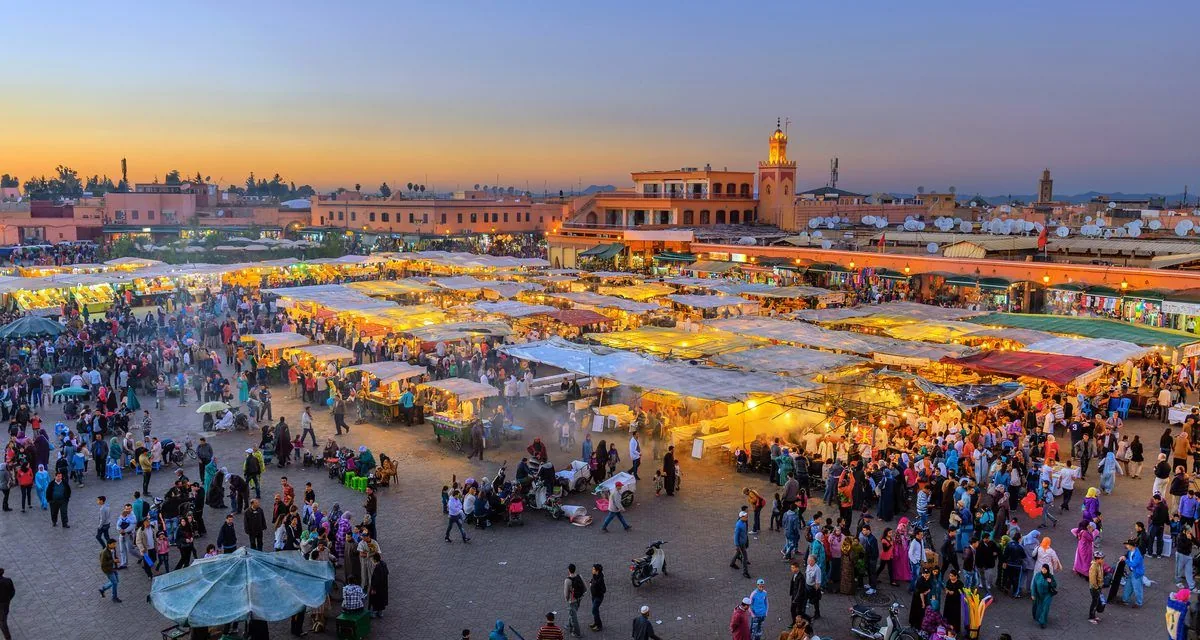
Violent crime against visitors is rare in Morocco. The main problem is petty theft in crowded places: the medinas of Marrakech and Fes, Jemaa el-Fnaa square, train stations and bus stops. Keep your bag in front of you, keep your phone in a pocket, and do not carry large sums of cash. A money belt or a small bag worn across the body works well in a busy souk.
At night, stick to main streets and well-lit areas. The medinas are safe in the evening, but the small lanes can be confusing after dark, so take a taxi or walk with your guide. If you feel lost, ask a shopkeeper for the way to the main square. Most people will help. Report a theft to the tourist police, who have offices in the main cities, and keep a copy of the report for your travel insurance.
Scams and Hassle in the Medinas
The most common scam is a friendly stranger who offers to show you the way, then asks for money at the end. If you do not need help, say no thank you and keep walking. Another common trick is a seller who says your hotel is closed or moved, then leads you to a different shop. Your hotel is almost never closed. Ignore the claim and walk on.
Haggling is normal in the souks, and it is not a scam. Start at about half the first price and meet in the middle. If you do not want to buy, say no and keep walking. Do not let a seller put goods in your hands, as that makes it harder to walk away. A firm, polite no works best. If a seller follows you, step into a cafe or a shop and wait a minute.
Safety for Solo Female Travellers
Morocco is visited by many solo female travellers each year, and most have a good trip. The main issue is unwanted attention in the streets: stares, comments and men who try to start a talk. It is rarely a threat, but it can be tiring. Dress with care, walk with purpose, and ignore comments rather than answering them. A wedding ring, real or not, can reduce the attention.
Stay in well-reviewed riads and hotels, and use a trusted taxi or a private driver at night. In the medina, a local guide helps a lot on the first day, as you learn the lanes and the main routes. On desert tours, pick a company with good reviews and a clear plan. The camps are safe, and the staff are used to solo female guests. Trust your instincts. If a place feels wrong, leave and find a busy street or a cafe.
Health, Food and Water Safety
Tap water in Morocco is not safe to drink for most visitors. Drink bottled water, which is sold everywhere for a few dirhams. Use bottled water for brushing your teeth too. Ice in hotels and restaurants is usually made from clean water, but ask if you are unsure. Food in Morocco is generally safe and fresh, and the tagines and grilled meats are cooked well.
Street food is fine if it is cooked in front of you and the stall is busy. Avoid raw salads from street stalls if your stomach is sensitive, and wash your hands before you eat. Pharmacies are easy to find in every town, and they sell most common medicines without a prescription. Bring any regular medicine with you, and keep travel insurance that covers medical care. Hospitals in the big cities are good, but care in small towns is basic.
Road Safety and Driving
Roads in Morocco are good on the main routes, but driving takes longer than the map suggests. Mountain roads have many bends, and trucks, buses and animals share the road. If you hire a driver, you do not need to worry about this. If you drive yourself, take it slow, do not drive at night on mountain roads, and fill the tank before you leave a city.
Seat belts are required, and the police check speed with cameras and roadside stops. Keep your licence and the car papers with you. In the desert, only drive on marked tracks, and never drive off-road alone. A private driver with local knowledge is the safest choice for a desert trip, and it costs less than you might think when the fuel and the car hire are added up.
What to Do in an Emergency
The police number in Morocco is 19, and the general emergency number is 112. The tourist police have offices in Marrakech, Fes, Casablanca and other main cities, and they speak English and French. Keep your hotel name and address on a card in your pocket, so you can show it to a taxi driver or a police officer if you need help.
Keep a copy of your passport in your phone and a paper copy in your bag. If you lose your passport, go to your embassy in Rabat or Casablanca. Travel insurance is worth the cost, as it covers medical care, lost bags and trip changes. Save the number of your insurance company and your hotel in your phone before you travel, so you are not searching for it in a hurry.
The Honest Verdict
Morocco is safe for most travellers who use normal care. The risks are small and easy to manage: watch your bag in a crowd, say no to pushy sellers, drink bottled water, and use a trusted driver on long roads. Solo female travellers should take the extra steps in this guide, but they should not be put off. Thousands of women travel Morocco alone each year and come back with good stories.
The country rewards travellers who slow down and talk to people. The medinas, the mountains and the desert are open and welcoming, and the people are used to visitors. Plan well, pack light, and keep your common sense with you. If you do that, Morocco is a safe and rewarding place to travel, and most visitors say they would come back.