In short. The Berber people, who call themselves Amazigh, are the first people of Morocco and North Africa. They have lived in the Atlas Mountains, the Sahara and the coast for thousands of years, long before the Arab arrival. This guide explains who they are, what their language and daily life look like, and how to visit Berber villages in a way that shows respect and supports local families.
Who Are the Berber People?
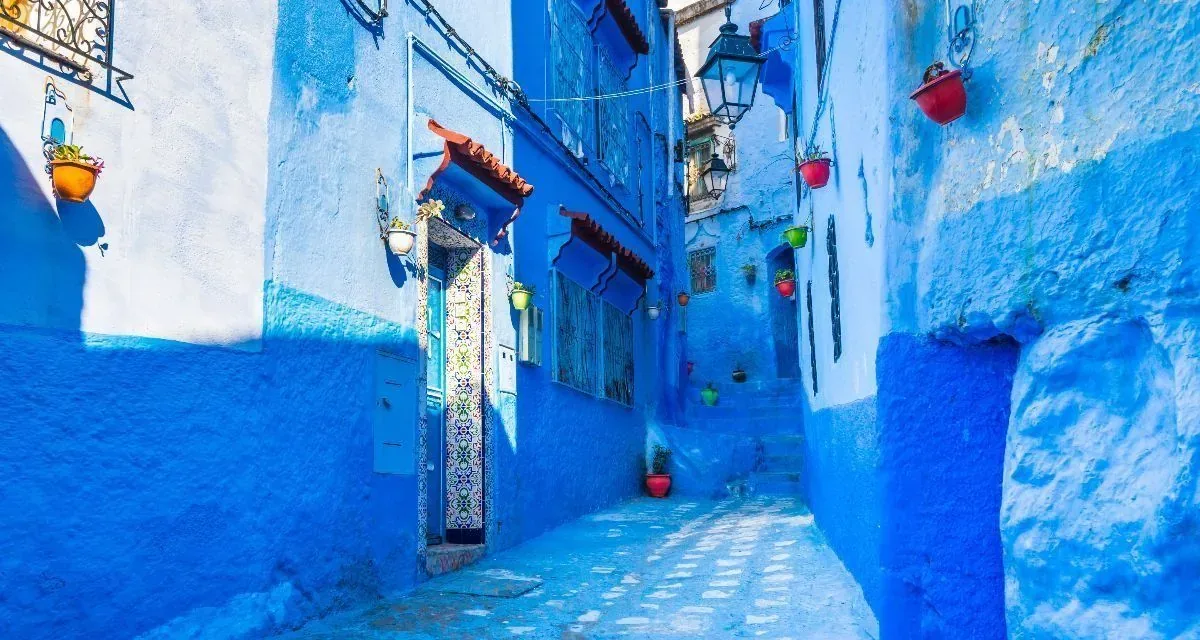
The word Berber comes from outside, while the people call themselves Amazigh, which means free people. The Amazigh are not one single group. They are many tribes and communities, spread from the Rif Mountains in the north to the Sahara in the south, and across the Atlas Mountains in the middle. Each area has its own speech, dress and customs, but they share a long history and a strong sense of identity.
In Morocco today, most Amazigh people live in mountain villages, desert towns and farming valleys. Many also live in cities such as Marrakech, Agadir and Casablanca, where they work, study and run businesses. You will meet Amazigh guides, drivers, guesthouse owners and shopkeepers on almost every trip in Morocco. Their culture is a normal part of daily life here, not a show put on for visitors.
Language: Tamazight and Darija
Tamazight is the Amazigh language, and it has three main forms in Morocco: Tarifit in the Rif, Tamazight in the Middle Atlas, and Tachelhit in the High Atlas and the Souss region. Many Amazigh people also speak Darija, the Moroccan Arabic used in daily life, and French from school. In towns, younger people often speak English too, at least enough for travel and work.
Tamazight became an official language of Morocco in 2011, and you will see its Tifinagh script on road signs, schools and public buildings. A few words help a lot on a trip. Azul means hello, tanemmirt means thank you, and manik means how are you. People like it when visitors try even one word. You do not need to be fluent. The effort is what counts, and it often starts a good talk.
Village Life in the Atlas and the Sahara
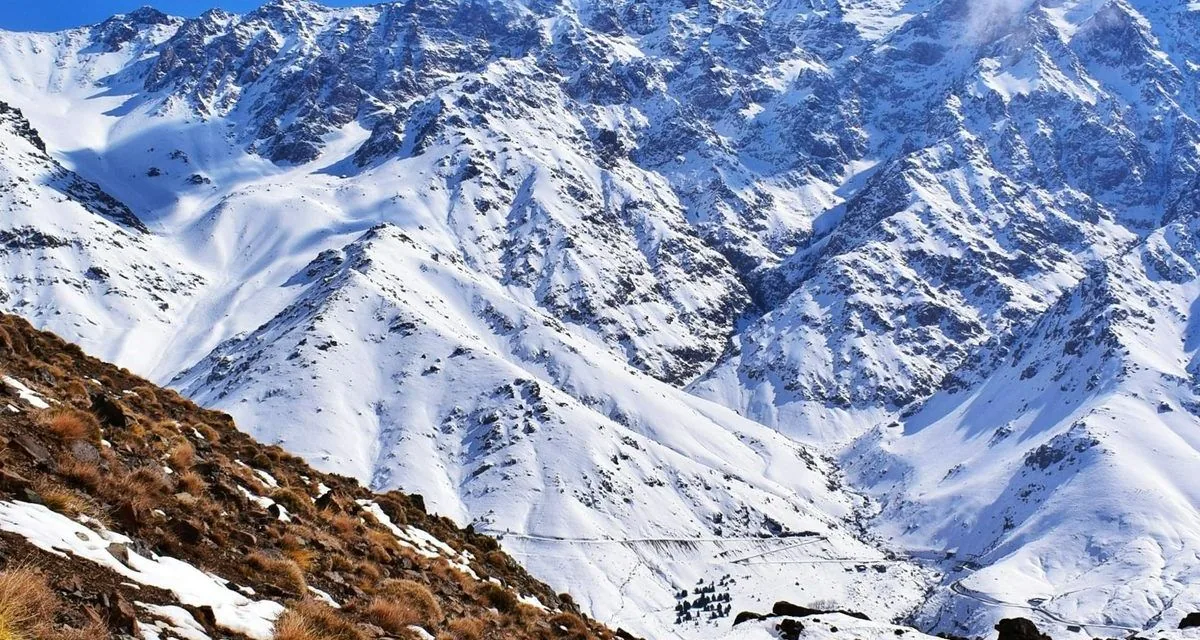
Village life in the Atlas runs on farming, herding and walking. Families grow walnuts, apples, barley and potatoes on terraced fields, and keep goats and sheep. Water comes from springs and snow melt, carried in stone channels to the fields. Houses are built from stone and earth, with flat roofs and small windows to keep out the heat in summer and the cold in winter.
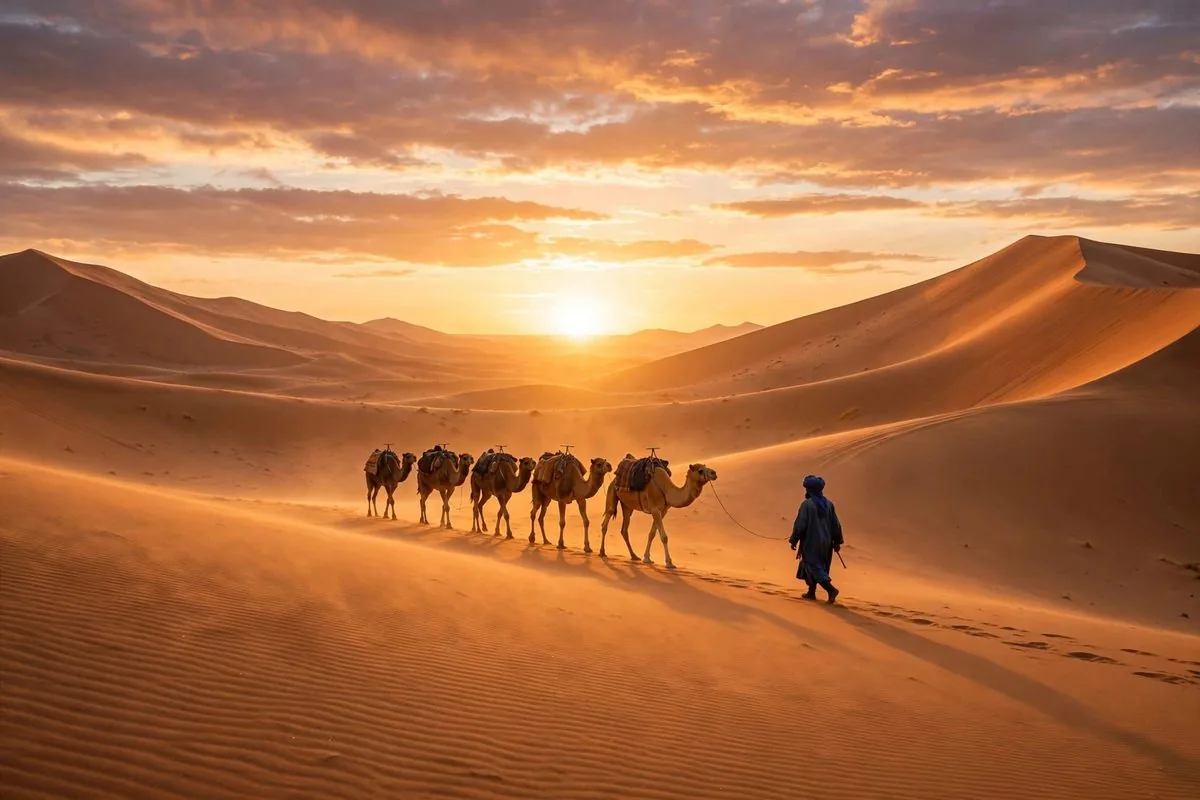
In the Sahara, Amazigh and Arab families live in towns such as Merzouga and Zagora, and in smaller settlements near the dunes. Some families still move with their animals in the desert, but most now live in fixed homes and work in tourism, farming or trade. Village guesthouses and desert camps are often family-run. A night in one of these places gives you a direct look at how people live, and your money stays in the village.
Food, Tea and Hospitality
Hospitality is a core part of Amazigh life. A guest is offered mint tea on arrival, and it is polite to accept at least one glass. Tea is poured from a height into small glasses, and it is sweet, with fresh mint. Bread is baked in clay ovens and served with olive oil, honey or soft cheese. Lunch is often tagine, a slow-cooked stew of meat and vegetables, or couscous on Fridays.
Meals are shared, and everyone eats from the same dishes. Wait to be shown where to sit, and use your right hand for bread and food. If a family invites you for lunch during a walk, say yes if you can. It is a real part of the visit, not a sales trick. A small tip or a thank you is enough. You do not need to bring gifts, but school pens for children are sometimes welcome in village schools. Ask your guide first.
Music, Dance and Crafts
Amazigh music uses drums, flutes and stringed instruments, and it is played at weddings, harvests and village feasts. The ahidous is a group dance from the Middle Atlas, where men and women stand in a circle, clap and sing together. In the desert, Gnawa music blends African rhythms with local song, and you may hear it at camps in Merzouga in the evening.
Crafts are a large part of Amazigh culture. Women weave carpets with patterns that tell stories about their tribe, their family and their land. Men work silver into jewellery, and leather, wood and pottery are made by hand in many villages. When you buy a carpet or a piece of silver, ask where it was made and who made it. Handmade work takes weeks, and the price shows that. A fair price helps the maker far more than a hard bargain.
Visiting Berber Villages with Respect
The best way to visit a village is with a local guide from that area. A guide knows the paths, the families and the customs, and can arrange a visit that works for everyone. Walk quietly through the village, dress with care, and ask before taking photos of people. Some people are happy to be photographed, and some are not, and both answers are fine.
Dress codes matter in villages more than in big cities. Cover shoulders and knees, and women may want a scarf for village visits, though it is not required. Do not enter a home or a mosque unless you are invited. If you are invited in, remove your shoes at the door if others do. Keep your visit short unless the family asks you to stay longer. A short, polite visit leaves a better mark than a long one that wears out the welcome.
Berber Culture Today
Amazigh culture is alive and changing. Young Amazigh people study in cities, work in tourism and tech, and post in Tamazight on social media. At the same time, they keep the language, the music and the crafts of their families. Festivals in the Atlas and the Souss celebrate harvests, music and local food, and they are open to visitors who come with respect.
Tourism has helped many villages earn income, but it also brings pressure. The best trips are the ones that stay in family guesthouses, eat local food and hire local guides. That way, the money stays where the culture lives. When you choose a tour, ask who runs it and who benefits. A small, local-run trip often gives you a closer look at Amazigh life than a large group tour ever can.