In short. Morocco has two official languages: Arabic and Tamazight. In daily life you will also hear French, Spanish in the north, and more English each year in tourist towns. You do not need to speak any of them to travel well, but a few words open doors. This guide explains what people speak, where each language is used, and the phrases that help most on a trip.
Arabic: Darija, the Language of Daily Life
Darija is the Moroccan Arabic spoken in daily life. It sounds different from the Arabic of the Middle East, with French and Tamazight words mixed in. It is the language of the market, the taxi, the cafe and the home. Most Moroccans speak Darija, and it is the first language you will hear in any city.
You do not need to learn Darija to travel, but a few words help a lot. Salam means hello, shukran means thank you, and bshhal means how much. People smile when visitors try Darija, even with a bad accent. In shops and taxis, a short greeting in Darija often gets a better price and a warmer welcome than starting in English.
Tamazight: The Amazigh Language
Tamazight is the language of the Amazigh people, and it became an official language in 2011. It has three main forms: Tarifit in the Rif, Tamazight in the Middle Atlas, and Tachelhit in the High Atlas and the Souss. Road signs, schools and public buildings now show Tamazight in its Tifinagh script, which looks like a set of straight lines and shapes.
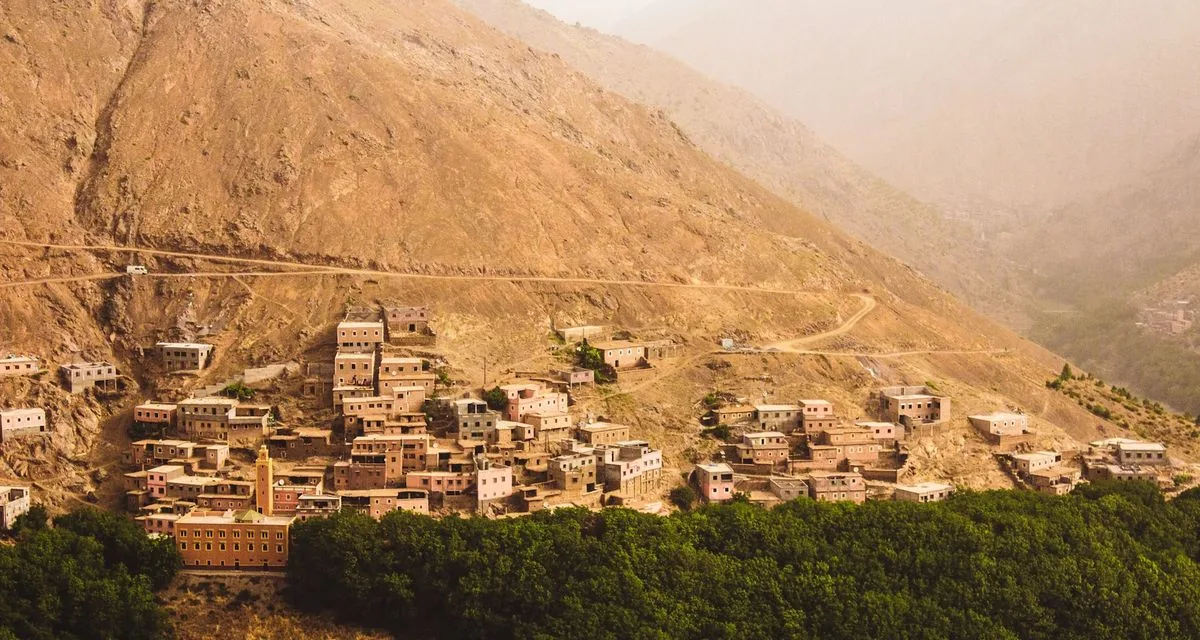
In the Atlas villages and the Souss, many people speak Tamazight at home and Darija in town. Azul means hello, tanemmirt means thank you, and manik means how are you. If you visit a village, try one word of Tamazight. Your guide will help you with the sound. The effort matters more than perfect speech, and it shows respect for the people who live there.
French: The Language of Business and School
French is widely used in Morocco, even though it is not an official language. It is the language of business, government, school and higher education. Most menus, signs and official forms are in French as well as Arabic. In the cities, almost every adult speaks French, and many speak it well.
For visitors, French is the most useful second language. If you speak French, you can talk to hotel staff, drivers, guides and shopkeepers with ease. If you do not speak French, do not worry. In tourist areas, English is common, and a phone translator covers the rest. Learn a few French words for numbers and directions, and you will get by in any town.
English and Spanish: Where They Help
English is growing fast in Morocco, mainly in tourist towns. Staff in riads, hotels and tour companies in Marrakech, Fes, Essaouira and Merzouga speak English well. Younger Moroccans often speak English from school and from the internet. Outside the tourist areas, English is less common, but a smile and a few words of French or Darija cover most needs.
Spanish is common in the north, in Tangier, Tetouan and Chefchaouen, because of the long link with Spain. Many people in the north speak Spanish as well as, or better than, French. If you speak Spanish, use it in the north and French in the south. In the desert and the Atlas, French and Darija are more useful than Spanish.
Useful Phrases for Travellers
Learn these ten phrases before you land, and you will use them every day. Salam means hello. Shukran means thank you. Afak means please. Bshhal means how much. La, shukran means no, thank you. Fin means where. Yamin means right, and ysar means left. Maasalama means goodbye. Labas means fine, as in how are you. Write them on a card and keep it in your pocket.
Numbers help too. Wahad is one, jouj is two, tlata is three, arbaa is four, and khamsa is five. In a souk, numbers help you haggle. In a taxi, they help you agree a price before you get in. Do not worry about the accent. Moroccans are used to visitors trying, and they will help you with the sound. A short greeting is often enough to start a good talk. If you learn only three words, make them salam, shukran and bshhal, as you will use them in every shop, taxi and cafe. Repeat them slowly and listen to how your host says them back, then copy the sound. Most people will smile and answer in the same language you started in, which makes the whole talk easier.
Language on Tours and in the Desert
On a tour, your driver and guide will speak the language you booked in. Top Morocco Tours runs tours in English, French and Spanish, and can arrange other languages on request. Tell the company your language when you book, so they match you with the right guide. A guide who speaks your language well makes the whole trip easier, from the road stops to the camp dinner.
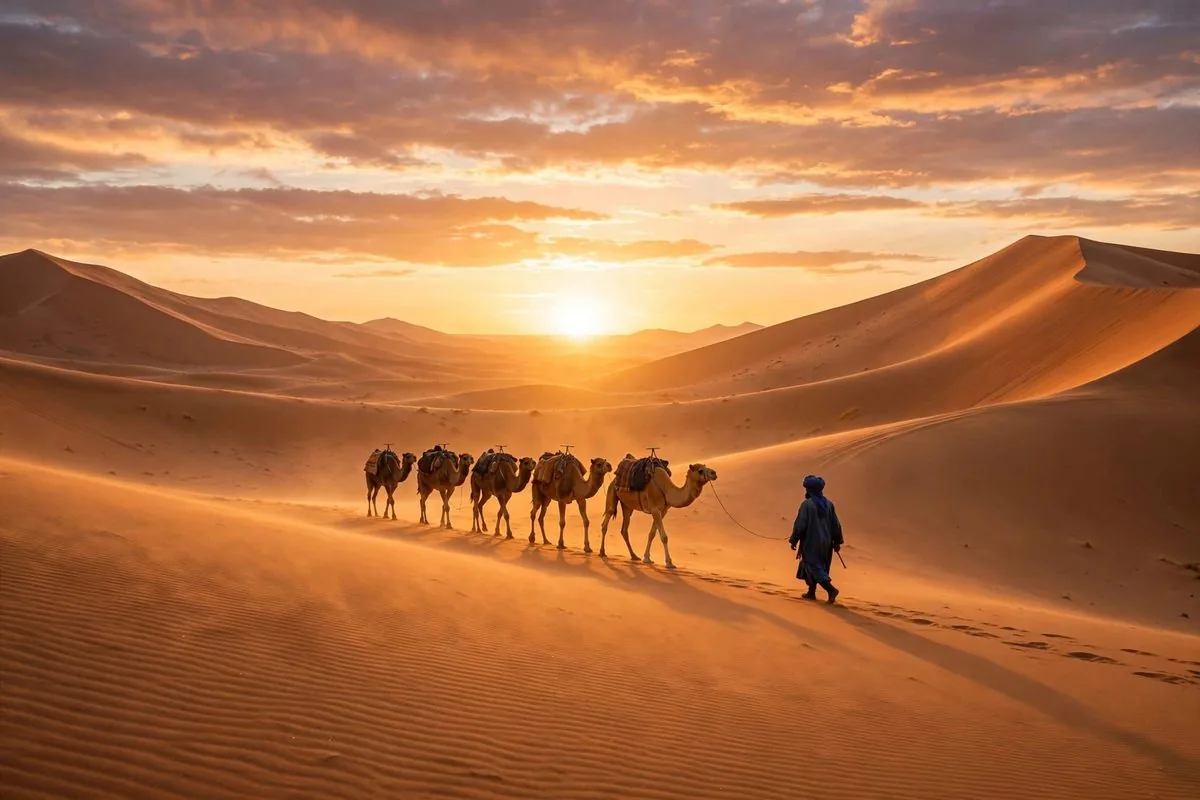
In the desert camps, staff speak Darija, Tamazight and French, and often some English. The camp dinner is a good time to learn a few new words, as the evening is slow and people have time to talk. Ask your guide to teach you one phrase each day, and use it the next morning at breakfast. By the end of a week, you will have ten phrases and a much closer feel for the country. Language is a small part of the trip, but it is the part that turns a drive into a visit, and it is the part most travellers remember best.
Tips for Getting By Without the Language
You can travel Morocco well without speaking Arabic or French. Use a phone translator for menus and signs, and download the language pack before you travel, as signal drops in the mountains. Show an address on your phone to a taxi driver, rather than trying to say it. Point, smile and use simple words. Most people will meet you halfway.
Learn the greetings first, then numbers, then food words. That order covers most daily needs. Carry a small notebook for names and prices, and write down any new word your guide teaches you. If a talk gets stuck, ask a younger person for help, as they often speak English. Point at a menu or a map when words fail, as pointing works in every language. Do not be shy about trying. A visitor who tries a few words is always welcome, and the effort is often repaid with tea, a story or a better price. Keep a phrase list on your phone too, so you can check it before you walk into a shop or a taxi.