In short. Morocco has festivals all year: music in the desert and the coast, harvest feasts in the valleys, and religious holidays that fill the cities with light and food. Some are large and known around the world, and some are small village feasts that last one day. This guide covers the main festivals, when they happen, where to go, and how to visit them well.
Music Festivals: Gnaoua, Mawazine and the Desert
The Gnaoua World Music Festival in Essaouira is one of the best known festivals in Morocco. It runs for a few days in June, with free concerts in the squares and paid concerts in the main venues. Gnawa music, which blends African rhythms with Moroccan song, is at the heart of it, and the town fills with visitors from around the world. Book a hotel early, as Essaouira is small and rooms go fast.
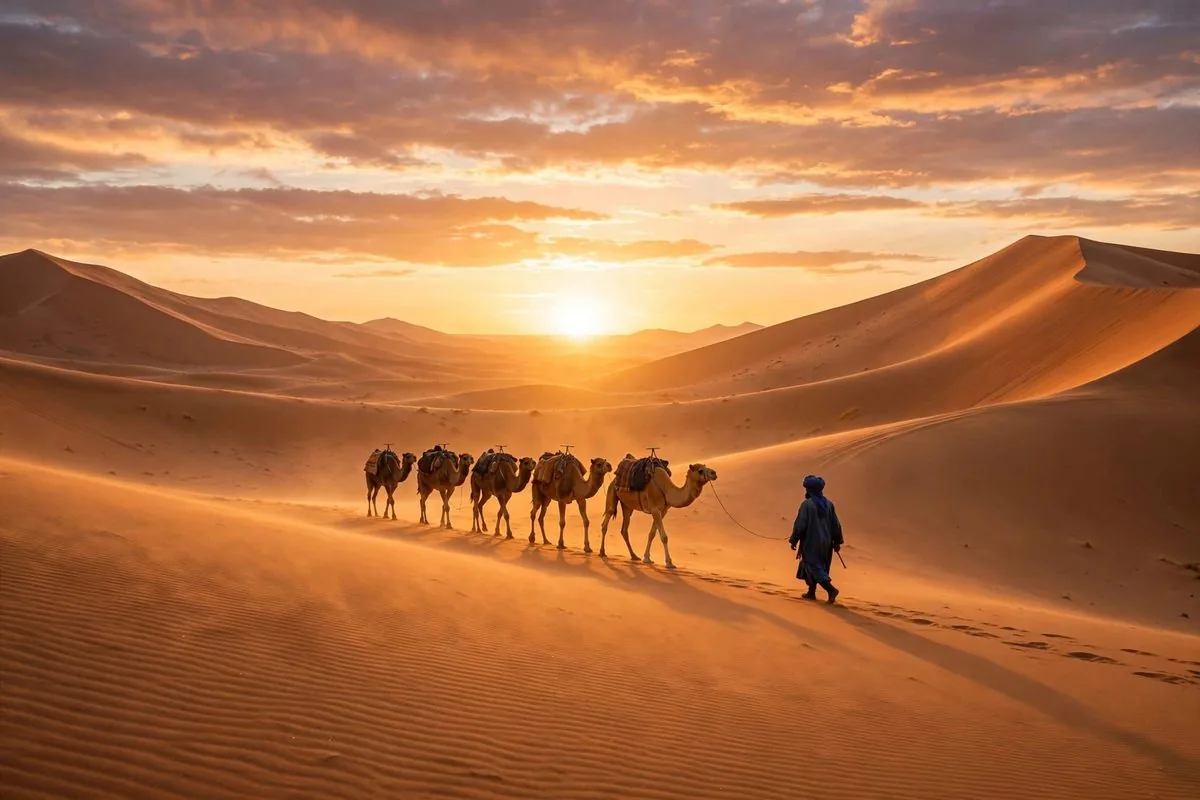
Mawazine in Rabat is a large pop festival, usually in June, with big stages and well-known singers. The Festival of the Sahara in Merzouga, usually in winter, brings music, camel races and desert culture to the dunes. If you like music, plan your trip around one of these dates. Check the dates each year, as they move, and book your stay as soon as the dates are set.
Harvest Festivals and Moussems
A moussem is a local feast that honours a saint, a harvest or a craft. The Rose Festival in Kelaat M'Gouna, in May, celebrates the rose harvest with parades, music and rose water. The Saffron Festival in Taliouine, in October or November, marks the saffron harvest in the Anti-Atlas. Both are small, local and full of colour, and they give you a close look at village life.
Other moussems mark the date harvest, the almond blossom and the fishing season. They last one to three days, with markets, music, dance and shared meals. Dates move each year, so ask your guide or your hotel what is on during your trip. A moussem is not a show for tourists. It is a local feast, and visitors are welcome if they come with respect and dress with care.
Religious Holidays: Ramadan and Eid
Ramadan is the holy month when most Moroccans fast from dawn to sunset. The dates move each year. During Ramadan, days are quiet and evenings are lively, with food stalls, lights and family meals after sunset. Eid al-Fitr marks the end of Ramadan, with three days of feasts, new clothes and family visits. Eid al-Adha, about two months later, is the feast of sacrifice, and many families share a meal of lamb.
During Eid, transport and hotels are busy, as families travel to see each other. Book early if you travel at Eid, and expect shops to close for a day or two. As a visitor, you can join the mood by walking the streets in the evening and trying the special sweets. Be discreet about eating in public during Ramadan days, and accept an invitation to break the fast if one is offered. It is a kind and real part of Moroccan life.
Film, Art and Food Festivals
The Marrakech International Film Festival, usually in November or December, brings films and stars to the city for a week. Screenings are open to the public, and the main square fills with posters and crowds. The Marrakech Biennale and art fairs in Casablanca and Tangier show Moroccan and world art, and they are free to visit.
Food festivals are smaller and more local. The Cherry Festival in Sefrou, near Fes, celebrates the cherry harvest in June with parades and a cherry queen. The Date Festival in Erfoud marks the date harvest in October. These are good days to taste local food and to see a town at its best. Check dates before you travel, as small festivals move by a week or more each year.
Planning a Trip Around a Festival
Pick the festival first, then build the trip around it. Book your hotel as soon as the dates are set, as rooms near a festival fill fast. Book your flights early too, as prices rise when the dates are known. If you want to see a small moussem, ask your tour company. They know the local dates and can add the feast to your route.
Plan for crowds and for heat. June festivals are hot, so bring a hat, water and sunscreen. Winter festivals are cold at night, so bring a warm layer. Arrive a day early, so you can settle in before the crowds. Leave a day after the festival ends, so you are not stuck in the rush to leave. A festival trip works best with a slow plan and a good base. Check the festival dates each year before you book your flights, as small events can move by a week, and ask your hotel what is on during your stay so you do not miss a local feast that is not on the big lists.
Festival Tips for Visitors
Dress with care at a festival, especially at a religious or village feast. Cover shoulders and knees, and women may want a scarf for a moussem, though it is not required. Ask before taking photos of people, and do not take photos during prayers. Keep your bag close in a crowd, and keep cash in a safe pocket.
Try the food. Festival stalls sell tagines, grilled meats, sweets and mint tea at low prices. Eat where the locals eat, and pick a busy stall. If you are offered tea or food by a local family, say yes if you can. It is a kind offer, and it is the best part of many festivals. Keep your plans loose, as festival times can shift by an hour or more on the day.
Festivals by Season at a Glance
Spring brings the Rose Festival in May and the Cherry Festival in June. Summer brings Gnaoua in Essaouira and Mawazine in Rabat, both in June, and the Timitar Festival in Agadir in July. Autumn brings the Saffron Festival in Taliouine and the Date Festival in Erfoud, both in October or November. Winter brings the Festival of the Sahara in Merzouga and the film festival in Marrakech.
Religious holidays move each year, so check the calendar before you book. Ramadan, Eid al-Fitr and Eid al-Adha fall in different months each year. If your trip falls on a holiday, plan for busy transport and closed shops for a day or two. The festivals are worth the planning. They show Morocco at its most open, and they give you stories you will not get from a normal sightseeing day. Many visitors plan a whole trip around one festival, and they say it is the part they remember most.