In short. Chefchaouen is the blue town of Morocco, set in the Rif Mountains of the north. The old town is painted in shades of blue, and the streets are quiet, steep and full of small shops and cafes. This guide covers the best things to do in Chefchaouen, how long each one takes, what it costs, and how to plan one or two days in the town.
Why Is Chefchaouen Blue?
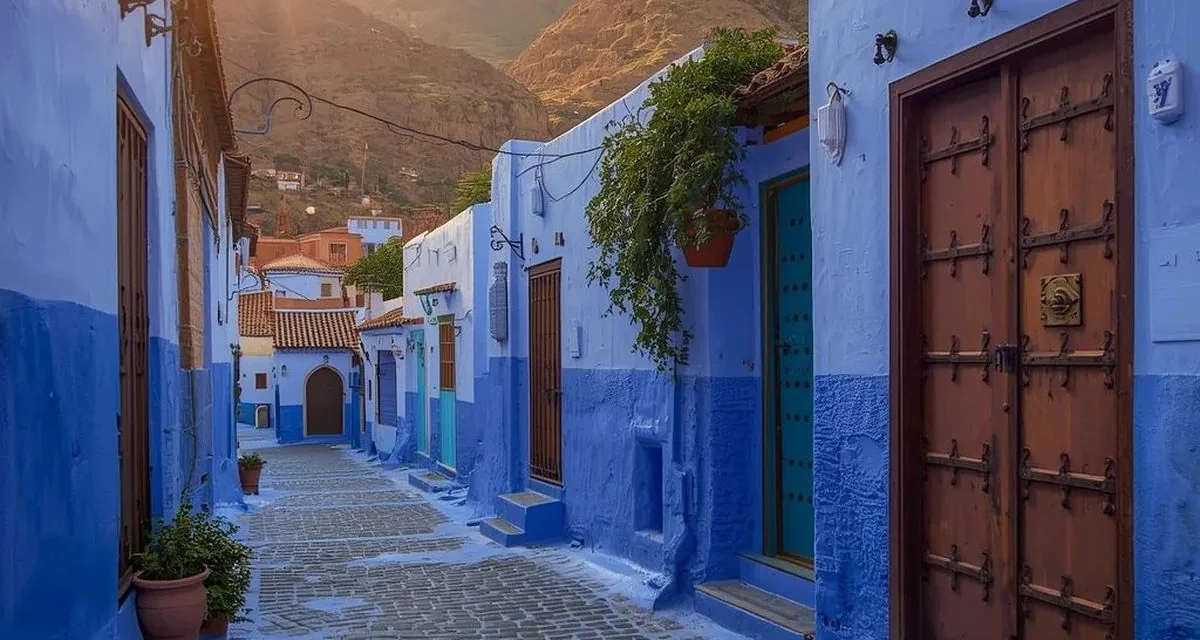
Chefchaouen is painted blue for a mix of reasons. Some say the blue keeps the houses cool, some say it keeps insects away, and some say it came from Jewish families who settled here and painted the town blue. The truth is a mix of all three, and the town keeps the colour today because visitors love it and the locals are proud of it.
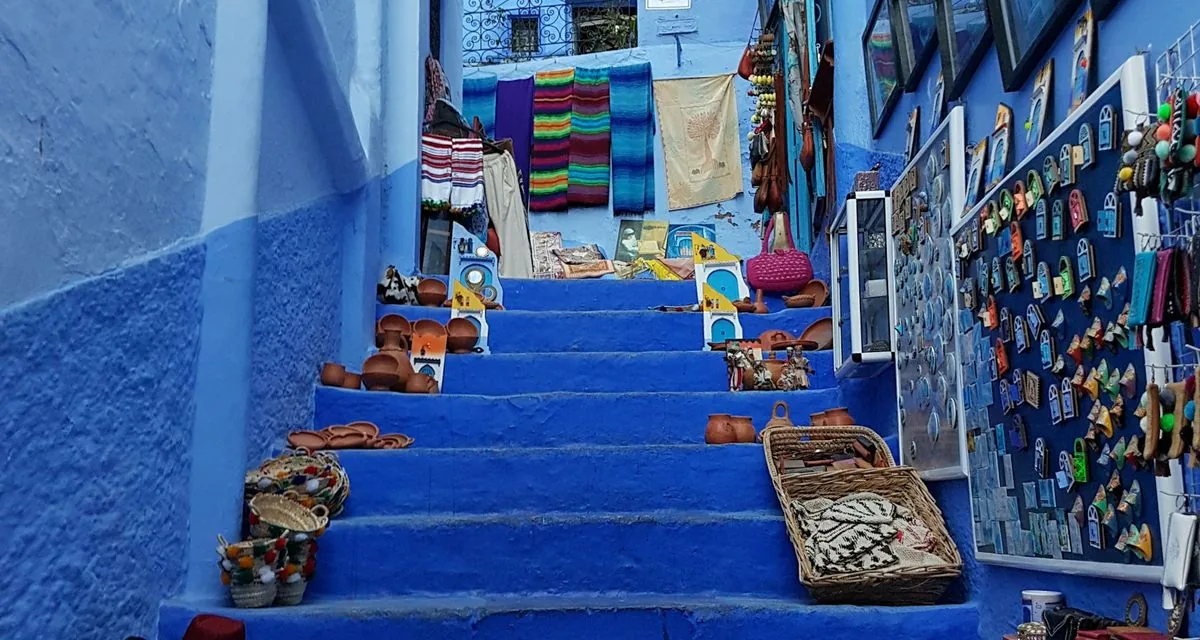
The blue is not one colour. It ranges from pale sky blue to deep indigo, and it changes with the light through the day. The best photos are in the morning, when the light is soft and the streets are quiet. Walk the lanes slowly, and look up at the doors, the windows and the stairs. The town is small, and the whole old town can be walked in a day. Most visitors spend a day walking the lanes and a second day on a hike, which is the right pace for a town this calm.
Walk the Blue Streets
The best thing to do in Chefchaouen is to walk. Start at the main square, Plaza Uta el-Hammam, and walk the lanes of the old town. The streets are steep and stone, so wear good shoes. The lanes are quiet, with cats, small shops and blue doors at every turn. Plan two to three hours for a slow walk, with breaks in a cafe.
Keep your bag close, but the town is safe and calm. Ask before taking photos of people, and do not block a lane for a long photo. The shops sell carpets, blankets, leather and pottery, and the prices are often lower than in Marrakech. Haggle gently, starting at about half the first price. A small buy is a good memory of the town. The shops sell handwoven blankets, leather bags and pottery, and the prices are often lower than in Marrakech, so it is a good place to buy a gift.
The Kasbah and the Main Square
The kasbah sits on the main square, Plaza Uta el-Hammam. It has a tower, a small museum and a garden with trees and a fountain. The entry fee is a few dirhams, and the visit takes about an hour. Climb the tower for a view over the blue roofs and the mountains. The museum shows local crafts, photos and the history of the town.
The main square has cafes with terraces, where you can sit with mint tea and watch the town go by. The square is the meeting point for tours and for evening walks. In the evening, the square fills with families and visitors, and the cafes stay open late. It is a good place to rest after a walk, and to plan the next day.
Ras el-Maa and the Waterfall
Ras el-Maa is a small waterfall and spring at the edge of the old town, about a 15-minute walk from the main square. The water runs down from the mountains, and women wash clothes in the pools, as they have done for centuries. The path is steep and stone, so wear good shoes. The visit takes about 30 minutes.
From Ras el-Maa, you can walk up the hill to the Spanish Mosque, a white building on a hill east of the town. The walk takes about 30 minutes, and the view at sunset covers the whole blue town and the mountains. It is the best sunset spot in Chefchaouen. Bring water and a light jacket for the walk up, as the wind picks up in the evening and the path is steep in places. Bring water and a light jacket, as the wind picks up in the evening.
Hikes in the Rif Mountains
Chefchaouen is a good base for hikes in the Rif Mountains. The walk to the Spanish Mosque takes about 30 minutes and is the easiest hike. For a longer walk, the trail to the Akchour waterfalls takes about an hour on foot after a two-hour drive, with pools and a natural rock bridge along the way. The walk to the Akchour waterfalls takes about two hours by car and then a walk of about an hour, with pools and a natural bridge. The hike is best in spring, when the water is full and the valleys are green.
For a longer hike, the Talassemtane National Park has trails through cedar and fir forest, with views over the mountains. A guide is worth it for a long hike, as the paths are not well marked. Tell your guide your level, and they will pick a trail that fits. Bring water, snacks, a hat and sunscreen, as the sun is strong in the mountains.
Food and Where to Stay
Food in Chefchaouen is simple and fresh. Try tagine, grilled meats and the local goat cheese, which is sold in the market. A lunch in a small restaurant costs about 8 to 20 euros per person, and a dinner costs about 10 to 25 euros. The cafes on the main square serve mint tea, coffee and pastries, and they are good for a slow morning.
Stay in a small hotel or a guesthouse in the old town, near the main square. A good room costs about 40 to 80 euros per night, with breakfast included. The lanes are steep, so ask for a room near the square if stairs are hard for you. Book early in spring and autumn, as the town is small and the best places fill fast.
How Many Days Do You Need in Chefchaouen?
One day is enough to see the main sights: the blue streets, the kasbah, Ras el-Maa and the sunset from the Spanish Mosque. Two days gives you time for a hike to Akchour, a slow morning in a cafe, and a walk in the lanes without rushing. Three days lets you add a trip to Tetouan or a longer hike in the Rif.
Chefchaouen is a slow town, and it rewards a slow pace. Sit in a cafe on the main square with mint tea, and watch the town go by, as that is how the locals spend their evenings. Do not try to see everything in a few hours. Plan one main walk in the morning, a long lunch, and a sunset walk in the late afternoon. Leave a free morning for a cafe and a walk. The blue streets are best when you have time to look up and to sit down.