In short. Casablanca is the largest city in Morocco, a port city with a modern skyline, a grand mosque and old Art Deco streets. It is not a medina city like Fes or Marrakech, and it is best seen as a modern Moroccan city with a coast, good food and a working port. This guide covers the best things to do in Casablanca, how long each one takes, and how to plan one or two days in the city.
The Hassan II Mosque
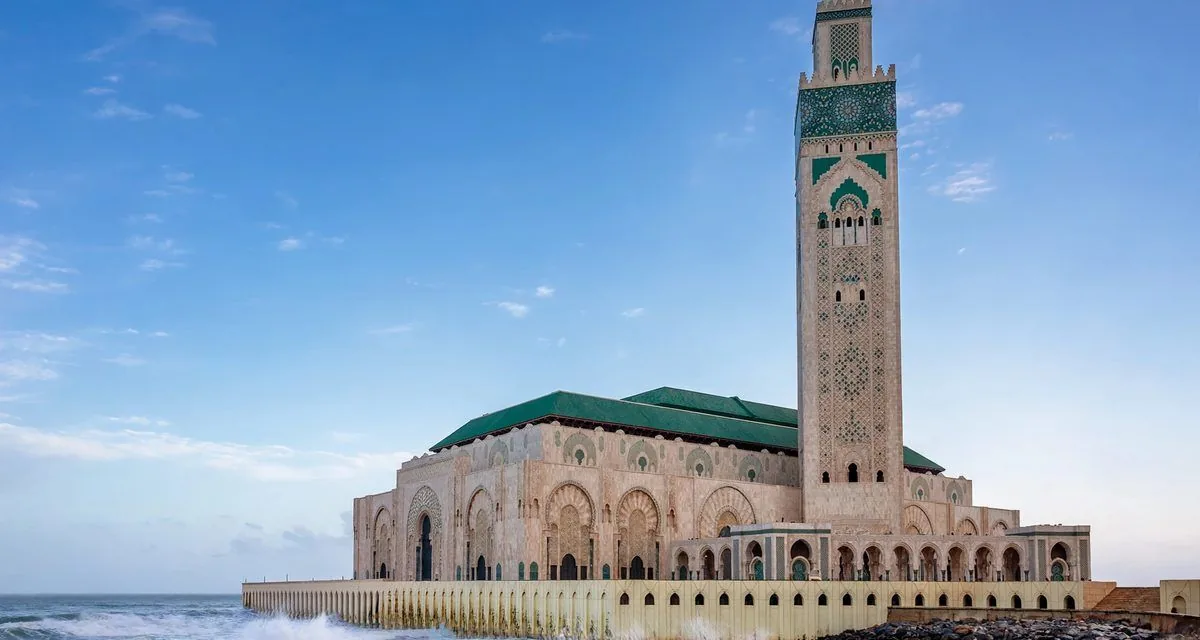
The Hassan II Mosque is the main sight in Casablanca, and one of the largest mosques in the world. It sits on the edge of the sea, with a minaret that is 210 m tall. The mosque can hold 25,000 people inside and 80,000 in the courtyard. It is one of the few mosques in Morocco that non-Muslims can enter, on a guided tour.
Guided tours run several times a day, in English and French, and last about an hour. The entry fee is a few dirhams, and the tour covers the prayer hall, the ablution rooms and the views over the sea. Dress with care: cover shoulders and knees, and women should bring a scarf. Go in the morning, when the light is good and the crowds are smaller.
The Habous Quarter and the Old Medina
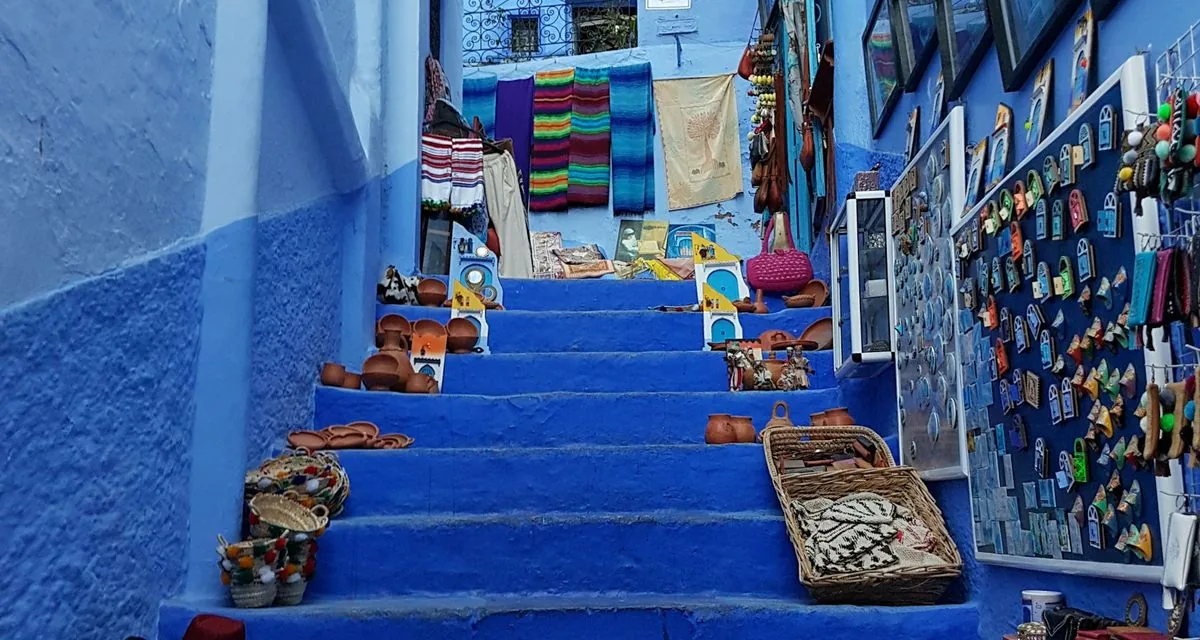
The Habous Quarter, also called the New Medina, was built in the 1930s, with white arches, tiled streets and small shops. It has the Royal Palace, the Mahkama du Pacha and the main mosque of the quarter. Walk the lanes in the morning, when the shops open and the streets are quiet. The quarter is a good place to buy leather, brass and pottery at fair prices.
The old medina of Casablanca is smaller and less visited than the Habous. It has narrow lanes, small shops and a busy market. It is worth a short walk of 30 minutes, but it is not the main sight of the city. If you want a medina, go to Fes or Marrakech. In Casablanca, the Habous and the mosque are the better stops.
Art Deco Streets and the City Centre
Casablanca has one of the best Art Deco districts in the world, built in the 1920s and 1930s when the city grew fast. Walk Mohammed V Boulevard and the streets around Place des Nations Unies, where the buildings have curved corners, tiled facades and iron balconies. The Twin Centre towers and the old cinemas show the mix of old and new.
Take a guided walk for an hour, as the history is hard to read from the street alone. A guide can point out the best buildings and tell the story of the city. The city centre is a short taxi ride from the mosque, and it is a good place for a coffee and a walk. The streets are wide and easy to walk, with cafes and shops on every corner, and the old cinemas show the mix of old and new in the city. The streets are wide and easy to walk, with cafes and shops on every corner.
The Corniche and the Coast
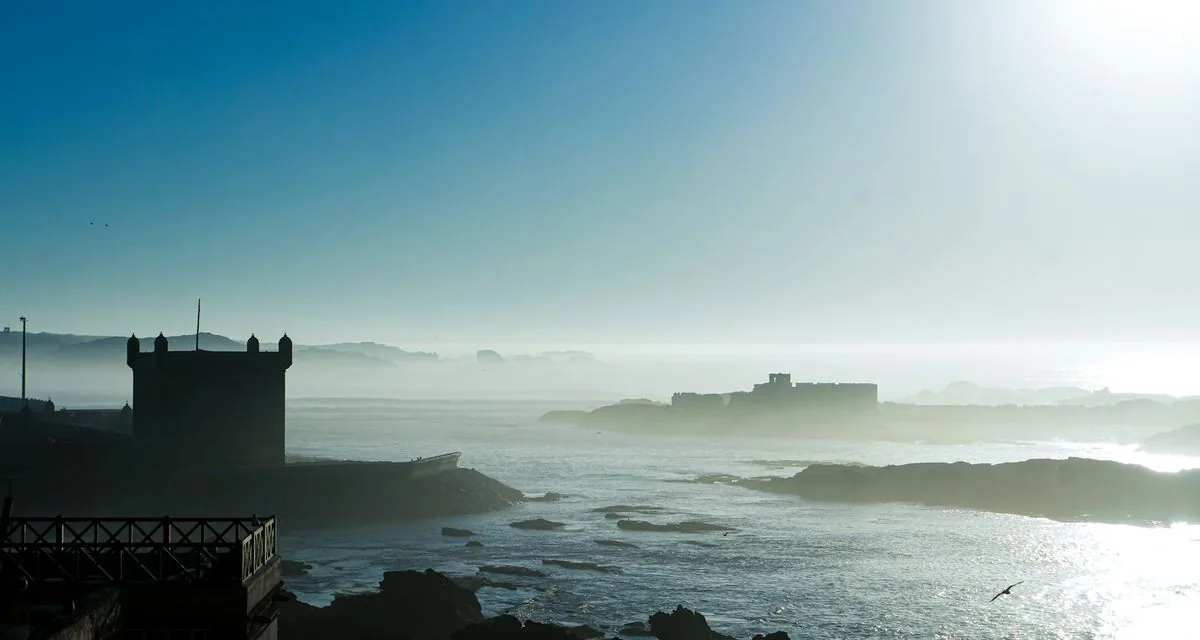
The Corniche is the seafront of Casablanca, a long road along the Atlantic with beaches, cafes and restaurants. Walk the Corniche in the late afternoon, when the light is soft and the sea is calm. The beaches are sandy, but the water is cold and the waves are strong, so swimming is for the brave. The cafes and restaurants along the Corniche serve fish, tagine and French food.
Ain Diab beach is the main beach, with sun loungers and cafes. It is busy on weekends, when families come from the city, so go in the morning on a weekday if you want a quiet walk by the sea. It is busy on weekends, when families come from the city. If you want a quiet beach, go in the morning on a weekday. The Corniche is a good place for a sunset walk, and it is a short taxi ride from the city centre.
Food in Casablanca
Food in Casablanca is a mix of Moroccan and French. Try grilled fish on the Corniche, where the restaurants serve sardines, sea bass and calamari. A fish meal costs about 10 to 25 euros. In the city centre, try tagine, pastilla and couscous in the Moroccan restaurants. A dinner costs about 10 to 25 euros per person.
The cafes of Casablanca serve coffee, pastries and French food, and they are good for a slow morning. Try the local pastries and the fresh orange juice. Drink bottled water, and wash your hands before you eat. The food is fresh and the restaurants are clean, so you can eat well with no worry. If you want a smart dinner, the restaurants on the Corniche are the best choice.
Where to Stay in Casablanca
Stay in a hotel in the city centre or on the Corniche. The city centre is close to the mosque, the Habous and the Art Deco streets, and it is easy to walk. The Corniche is close to the beach and the restaurants, and it is quieter at night. A good hotel costs about 60 to 120 euros per night, with breakfast included.
Book early if you travel for work or for a big event, as the hotels fill fast. Read recent reviews, and check the location on a map before you book. A hotel near the train station is easy for a day trip to Rabat or Marrakech. The airport is about 30 km from the city centre, and the train from the airport to the city takes about 30 minutes. A taxi takes about 45 minutes and costs more, so the train is the easiest choice, as it avoids the traffic.
How Many Days Do You Need in Casablanca?
One day is enough to see the main sights: the Hassan II Mosque, the Habous Quarter and the Art Deco streets. Two days gives you time for the Corniche, a slow morning in a cafe, and a day trip to Rabat, which is about an hour by train. Three days lets you add a trip to El Jadida or a longer walk along the coast.
Casablanca is a working city, not a holiday town, so plan it as a stop on a longer trip. Most travellers start or end their Morocco trip in Casablanca, with one night in the city. That is enough to see the mosque and the Habous, and to eat well on the Corniche, before moving on to Rabat, Fes or Marrakech. That is enough to see the mosque and the Habous, and to eat well on the Corniche. If you have more time, Rabat is a better second city than a second day in Casablanca.