In short. Morocco is a warm country with strong sun, cool nights and different dress codes in the city and the village. The rule is simple: cover shoulders and knees, wear loose clothes, and pack layers. This guide covers what to wear in the cities, the villages, the desert and the coast, for women and men, in each season, so you can pack once and feel right all trip.
The Basic Rule: Cover and Comfort
The basic rule in Morocco is to cover shoulders, chest and knees, and to wear loose clothes. This is not a strict law for visitors, but it is a sign of respect, and it gets you less attention in the streets. In the cities, many Moroccan women wear jeans and a top, so you do not need to cover your hair. In villages and at religious sites, dress more fully, with long sleeves and long trousers.
Loose clothes are also more comfortable in the heat. A loose shirt and loose trousers let air move, while tight clothes stick and sweat. Cotton and linen are the best fabrics, as they breathe and dry fast. Pack clothes you can layer, as mornings are cool, midday is hot, and evenings are cool again. A light scarf is the most useful item you can pack.
What Women Should Wear
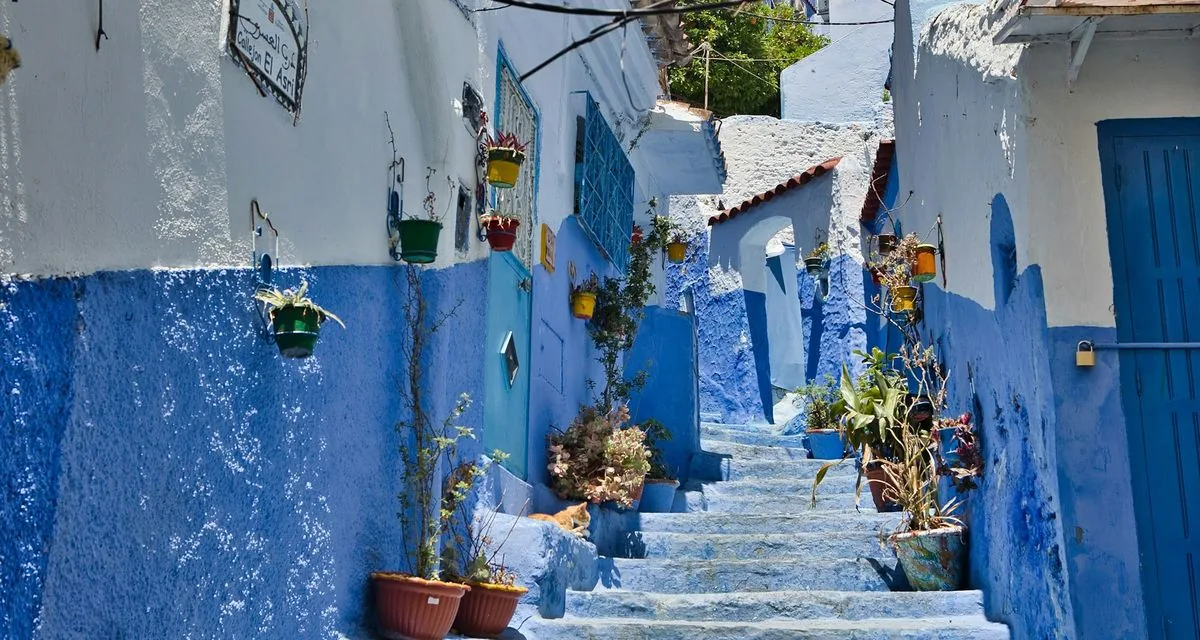
Women should pack loose tops with sleeves, loose trousers or long skirts, and a light scarf. A long dress works well in the cities, and a pair of loose trousers works well for walking and for the desert. Avoid short shorts, low tops and tight clothes in the medina and the villages. On the beach in Agadir or Essaouira, a swimsuit is fine on the sand, but cover up when you walk to a cafe.
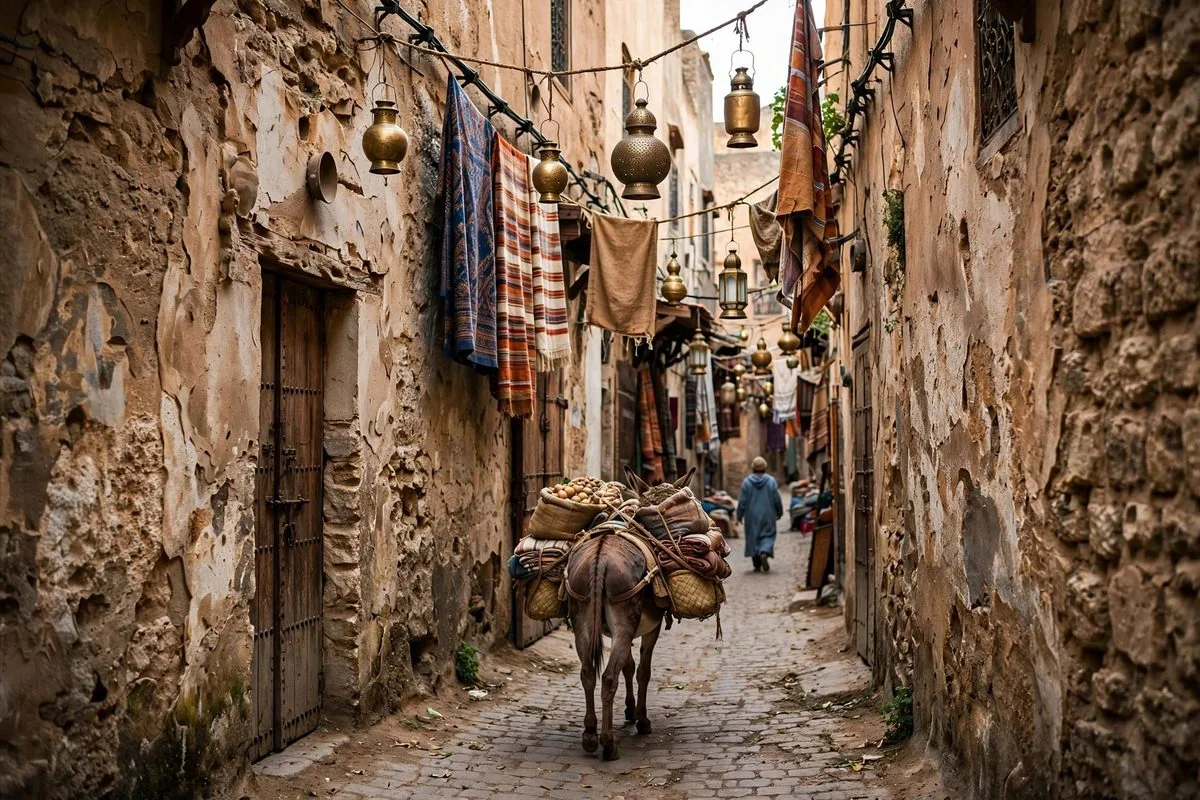
Bring a scarf for mosque areas, village visits and the desert. It covers your shoulders, keeps the sun off your neck, and works as a light layer in the evening. Wear closed shoes with grip for the medina lanes, which are stone and uneven. For the desert, wear long trousers for the camel ride and a hat for the sun. Pack one smart outfit for a good restaurant, as Marrakech and Casablanca have smart places to eat.
What Men Should Wear
Men should pack short-sleeve shirts, long trousers and a light jacket. Shorts are fine on the beach and in a hotel, but long trousers are better in the medina and the villages. A T-shirt is fine in the cities, but a shirt with a collar is better for a restaurant or a mosque area. Avoid vests in the medina, as they draw more attention.
Bring a hat for the sun, and closed shoes with grip for walking. Sandals are fine in a hotel or at the beach, but not for a long walk in the medina. In the desert, wear long trousers for the camel ride, as the saddle rubs the legs. In winter, bring a warm jacket and a fleece, as nights in the Atlas and the desert are cold. A light waterproof jacket helps in the north in winter.
What to Wear in the Desert
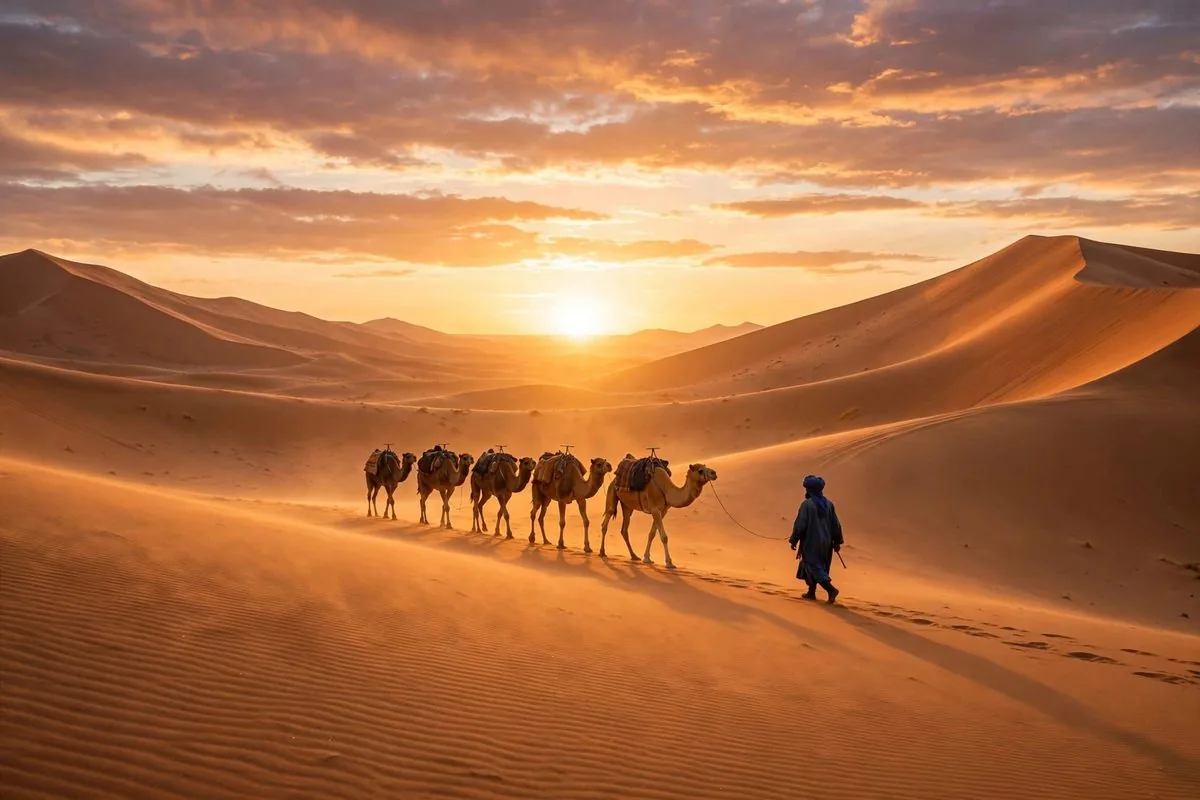
In the desert, wear long trousers, a long-sleeve shirt and closed shoes. The sun is strong, and long sleeves protect you better than a vest. A hat or a scarf covers your head from the sun and your mouth from dust. The sand is hot at midday, so closed shoes are better than sandals. Bring a fleece or a jacket for the evening, as the night is cool even in summer.
In winter, add a warm jacket, warm socks and gloves for the morning. The camp provides blankets, but a warm layer helps you sleep. In summer, wear light cotton and drink water often. A scarf is useful in every season: it covers your head from sun, your mouth from dust, and your neck from wind. Pack a small day bag with your hat, sunscreen and water for the camel ride.
What to Wear in the Atlas and the Coast
In the Atlas, wear walking shoes with grip, long trousers and layers. Mornings are cool, midday is warm, and the wind at a pass is cold. Bring a fleece, a light waterproof jacket, a sun hat and sunscreen. The sun is strong at altitude, and you can burn fast even on a cloudy day. A small day pack with water and snacks covers most short walks.
On the coast, wear light clothes and bring a jacket for the wind. Essaouira is windy all year, so a light jacket is needed even in summer. Agadir is warmer and calmer, and a swimsuit is fine on the beach. In Tangier, the wind from the sea can be strong, so a jacket helps. In every coastal town, cover up when you leave the beach and walk to a cafe or a shop.
Packing by Season
In spring, pack light clothes, a fleece, a light jacket and a rain layer. Days are warm, nights are cool, and rain is possible in March. In summer, pack light cotton, a hat, sunscreen and a light jacket for the coast and the Atlas. The cities are hot, so loose clothes and water are key. In autumn, pack as in spring, with a warm layer for the desert nights.
In winter, pack warm layers, a warm jacket, warm socks and a hat. The cities are mild, but the Atlas and the desert are cold at night. The coast is mild, but rain is possible in the north. Pack one smart outfit for a good restaurant, and one pair of good walking shoes. Pack light, as you carry your own bag on a tour, and the car has limited space.
Footwear and Other Essentials
Footwear matters more than any other item. Wear walking shoes or trainers with grip for the medina, the Atlas and the desert. The lanes are stone and uneven, the paths are rocky, and the sand is soft. Flat city shoes slip on stone, and new shoes hurt on a long day. Break in your shoes before the trip, and bring sandals for the hotel and the camp at night.
Bring sunglasses, sunscreen and a hat. The sun is strong all year, and you can burn fast at altitude and in the desert. Bring a small day pack for water, snacks and your camera. Bring cash in small notes, as small shops take cash only. Pack a scarf, a fleece and a light waterproof jacket, and you will be ready for the cities, the mountains and the desert.