In short. Spring and autumn are the best times to visit Morocco for most travellers. March to May and September to November bring mild days, clear skies and warm evenings in the cities, the mountains and the desert. Summer is hot inland and in the Sahara, while winter is mild on the coast and cold in the Atlas. This guide breaks the year down month by month so you can pick the right dates for your trip.
Spring: March to May, the Best Season
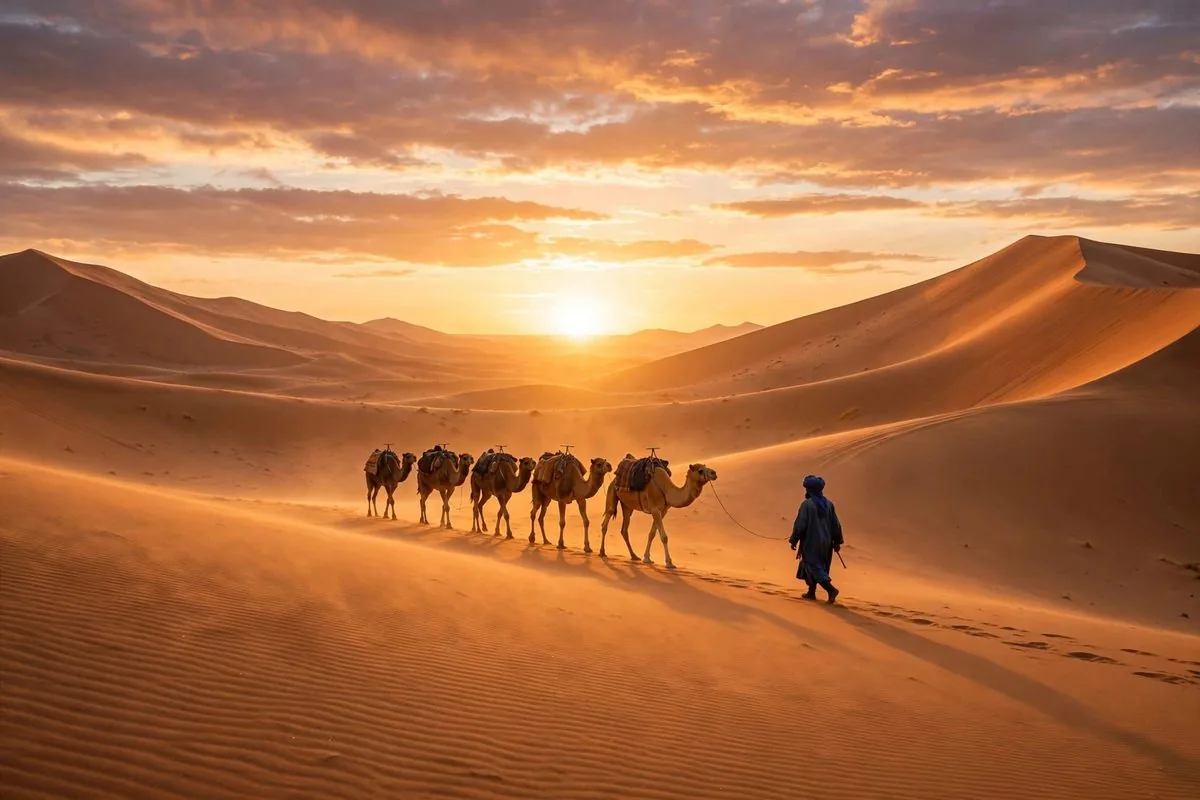
Spring is the best season for a first trip to Morocco. Daytime temperatures in Marrakech sit between 22 and 28 degrees, and the Atlas valleys are green with flowers and new crops. The desert near Merzouga is warm in the day and cool at night, which is ideal for a camel ride and a night in a camp. Rain is still possible in March, so pack a light jacket.
Spring is also the busiest season for tours, so book early if you travel in April or May. Flights and riads in Marrakech and Fes fill fast around Easter and school holidays. If you want quieter roads, travel in early March or late May. You still get good weather, but the crowds are thinner and prices are often lower than in April.
Summer: June to August, Hot Inland
Summer in Morocco is hot. Marrakech can reach 40 degrees or more in July and August, and the Sahara is hotter still, with daytime heat that makes walking hard. The coast is the best place in summer. Essaouira and Tangier stay near 25 degrees thanks to the sea wind, and the beaches are at their best. If you must travel inland in summer, plan early starts and rest at midday.
Desert tours still run in summer, but the plan changes. Camel rides move to late afternoon, and camps use fans and shade during the day. Nights in the desert are warm in summer, so you sleep well without heavy blankets. If you travel with children in summer, pick the coast or the Atlas, where the air is cooler. Drink water often, wear a hat, and keep sunscreen with you at all times.
Autumn: September to November, the Second Best
Autumn is the second best season and many guides prefer it to spring. September is still warm, October is mild, and November brings cool evenings and clear light. The desert is at its best in October and November, with warm days and cool nights that are perfect for sleeping in a camp. The Atlas valleys turn gold with the harvest, and the walking paths are dry and clear.
Autumn is also a good time for city trips. Fes, Meknes and Rabat are easy to walk in October, and the medinas are less crowded than in spring. November can bring rain, mainly on the coast and in the north, so pack a waterproof layer. Flights are often cheaper in November than in October, and riads have more rooms free. It is a smart month for a longer trip on a lower budget.
The Sahara by Season
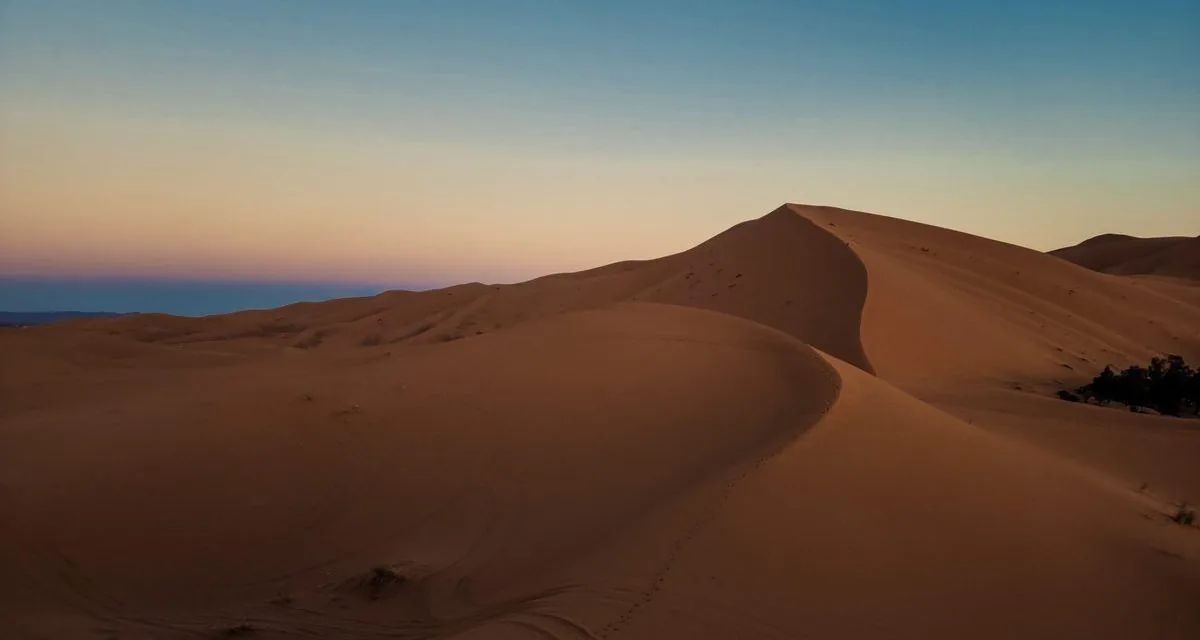
The Sahara is best in spring and autumn. March to May and October to November give warm days, cool nights and clear skies. You can ride a camel at sunset, walk on the dunes, and sleep in a camp without feeling too hot or too cold. The stars are clear on most nights, and the sand is warm underfoot in the late afternoon.
Summer in the Sahara is very hot, with daytime temperatures that can pass 45 degrees. Tours still run, but the camel ride and the dune walk move to the late afternoon. Winter nights in the desert can drop near freezing, so bring a warm jacket. The camp provides blankets, but a fleece and warm socks make the night much more comfortable. Check the season before you book, and pick the month that fits how you handle heat and cold.
The Coast and the Cities by Season
The coast is best from May to October. Essaouira, Agadir and Tangier have mild sea air, and the water is warm enough to swim from June to September. Essaouira is windy all year, which is good for kitesurfing but means you need a light jacket even in summer. Agadir is warmer and calmer, and it suits beach days and family trips.
The imperial cities are best in spring and autumn. Fes and Marrakech are easy to walk in March, April, October and November. In summer, start your city walk early, rest in a cafe at midday, and walk again in the late afternoon. In winter, the cities are quiet and the light is soft, which is good for photos. Rain is most likely in December and January, mainly in the north.
Winter: December to February, Mild and Quiet
Winter in Morocco is mild in the cities and on the coast. Marrakech days sit near 18 to 20 degrees, and Essaouira stays near 17 degrees. The Atlas Mountains get snow, and the high passes can close for short periods after a storm. The desert is cool in winter, with warm days and cold nights, so a camp stay needs a warm jacket and an extra blanket, which camps provide.
Winter is the quietest season, so it suits travellers who like space and low prices. Flights and hotels cost less than in spring, and the main sights have few visitors. The Atlas ski resort of Oukaimeden opens when snow allows, usually from January to March. If you visit the desert in winter, pack a warm layer for the night, and plan your camel ride for the afternoon when the sun is at its best.
Travelling During Ramadan
Ramadan is the holy month when most Moroccans fast from dawn to sunset. The dates move each year, so check the calendar before you book. During Ramadan, many cafes and restaurants close during the day, and the streets are quiet until sunset. After sunset, the cities come alive with food stalls, lights and family meals, and the mood is warm and open.
Tours run as normal during Ramadan, and desert camps serve food after sunset. You can still eat and drink as a visitor, but do it with care in public during the day. If you are invited to break the fast with a family, say yes. It is a kind offer and a real look at Moroccan life. Book your riad and tour early, as the weeks after Ramadan are busy with holidays and family travel.