In short. October to April is the best time for most people to visit the Sahara in Morocco. Days are warm and clear, nights are cool, and the camel ride and the camp feel good. Summer is very hot in the day, so it suits only travellers who can handle heat. Pick your month by what matters most to you: mild weather, fewer people, or lower prices.
The short answer: October to April
For most travellers, the best months are October, November, March and April. Day temperatures sit between 20 and 28 degrees Celsius. The sun is strong but the air is dry, so a light jacket is enough in the morning and evening. Nights drop to around 5 to 10 degrees, so camps give you thick blankets and warm tea. These months also have clear skies, which makes the stars easy to see after dinner.
December, January and February are the coldest months. Days are still pleasant, often 17 to 22 degrees, and you can walk on the dunes in a T-shirt at noon. Nights are the hard part. The temperature can fall close to 0 degrees, and a standard tent feels cold before bed. Bring a warm layer, socks and a hat. If you book a luxury camp with a heater or a proper bed, winter nights are fine.
What the weather is like month by month
In March and April, the desert starts to warm up. Days reach 25 to 30 degrees and the wind can pick up in the afternoon. This is a good time for families, because the days are long and the nights are not too cold. Wildflowers appear in the valleys on the road from Marrakech, and the Atlas Mountains still have snow on the peaks. Book early, because Easter and school holidays fill the camps fast.
In May and September, the heat builds. Day temperatures often pass 35 degrees, and the sand is hot underfoot by midday. Mornings and evenings are still good for a camel ride, and the camps are quieter than in spring. Drink water often, wear a hat, and rest in the shade at noon. These months suit travellers who want lower prices and do not mind the heat.
Summer in the Sahara: very hot, but possible
June, July and August are the hottest months in the Sahara. Day temperatures often pass 40 degrees and can reach 45 degrees on the dunes. The camel ride in the middle of the day is hard, so good tours move it to late afternoon. Nights stay warm, around 25 to 30 degrees, and many people sleep outside the tent or on the roof terrace. Camps have fans, but most do not have air conditioning.
If you travel in summer, plan around the heat. Leave Marrakech early, stop often for water, and keep the middle of the day for shade and rest. Wear light cotton clothes, a wide hat and sun cream. Children and older travellers should take extra care with water and sun. The good side of summer is that the camps are quiet, the sky is clear, and the sand is empty.
Crowds, prices and booking ahead
The busiest months are October, November, March and April. Camps near Merzouga fill up on weekends and holidays, and private tours cost more. If you want a quiet camp, travel on a weekday or pick November, January or February. You will still get good weather, and the dunes feel empty at sunrise. Shared tours run all year, but they need enough people to leave.
Prices change with the season. A shared 3-day desert tour from Marrakech often starts from around 120 euros per person in low season and rises in high season. A private tour for two people often starts from around 240 euros per person. Luxury camps cost more than standard camps in every season. Book two to four weeks ahead for October and April. For a private tour in high season, book a month ahead if you can.
Best month for photos and stars
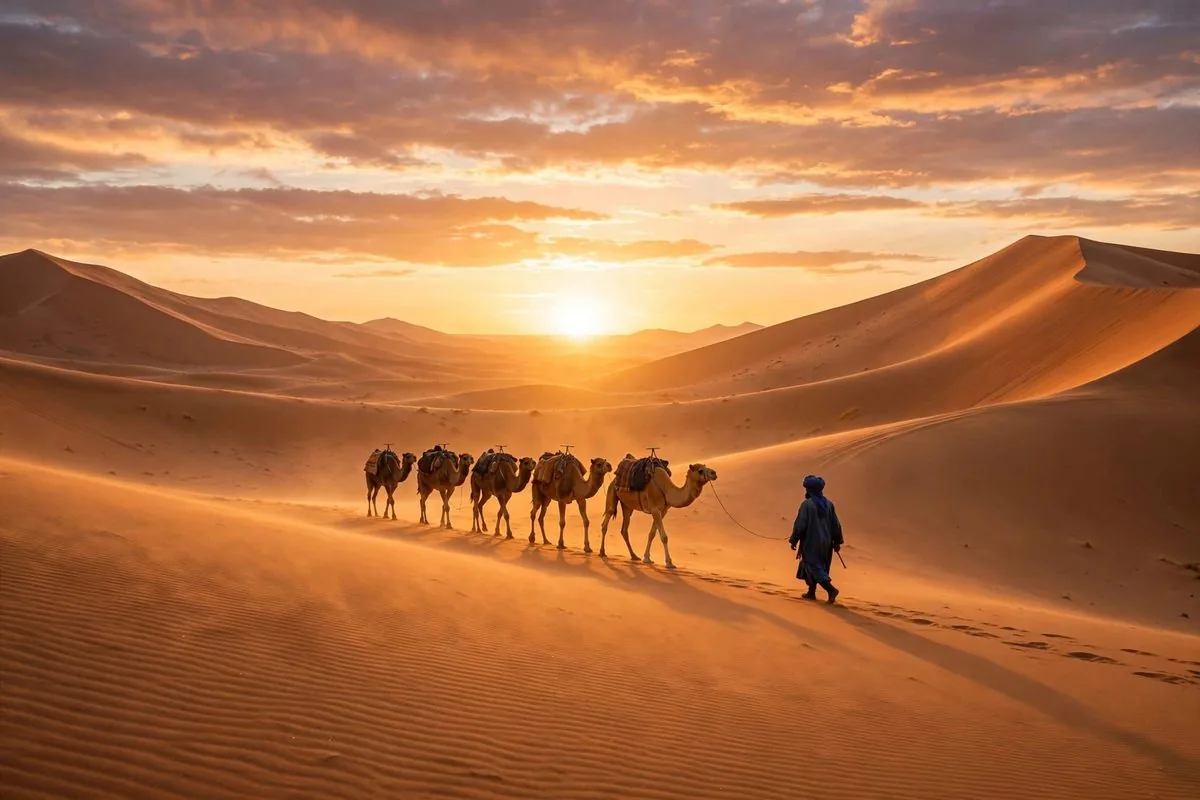
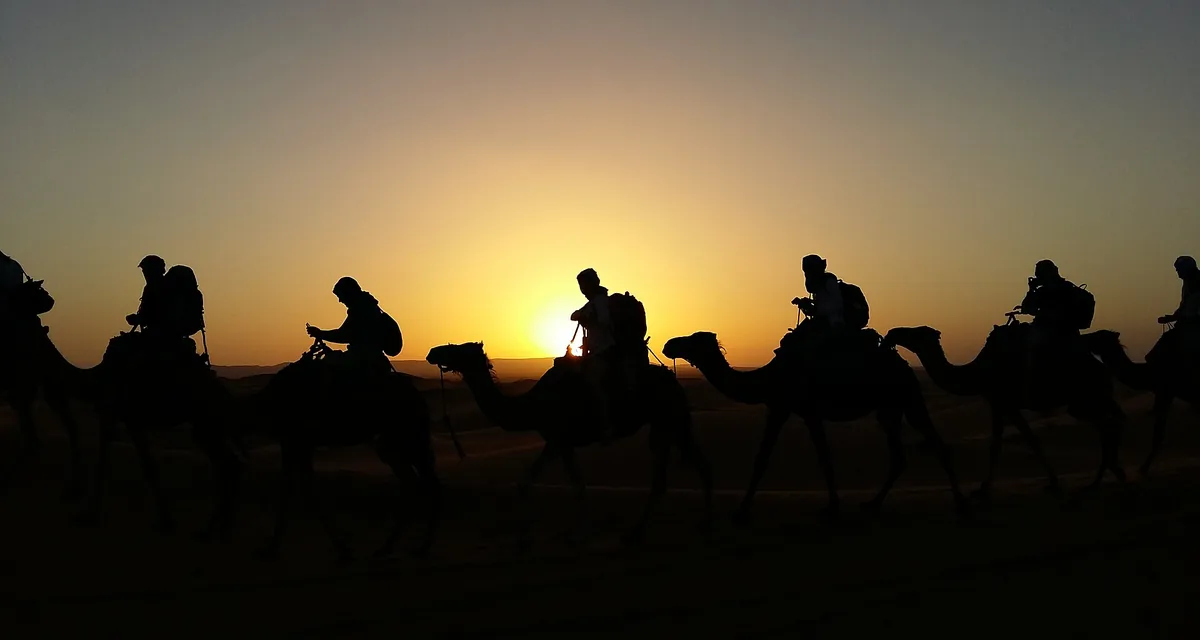
For photos, the light is best in the hour before sunset and the hour after sunrise. In October and March, the sun sits low and the dunes turn gold and orange. The sand changes colour fast, so take your photos early and late. At noon the light is flat and the heat makes the air shimmer. Bring a spare battery, because cold nights drain phone batteries faster than you expect.
For stars, pick a night with no moon if you can. The desert sky is dark, and on a clear night you can see the Milky Way with your eyes. Winter has the longest nights, so you have more time to watch the sky. Camps turn off most lights after dinner, and the guides can point out the main stars. A simple phone photo will not catch much, so just enjoy the sky and put the phone away.
What to wear in each season
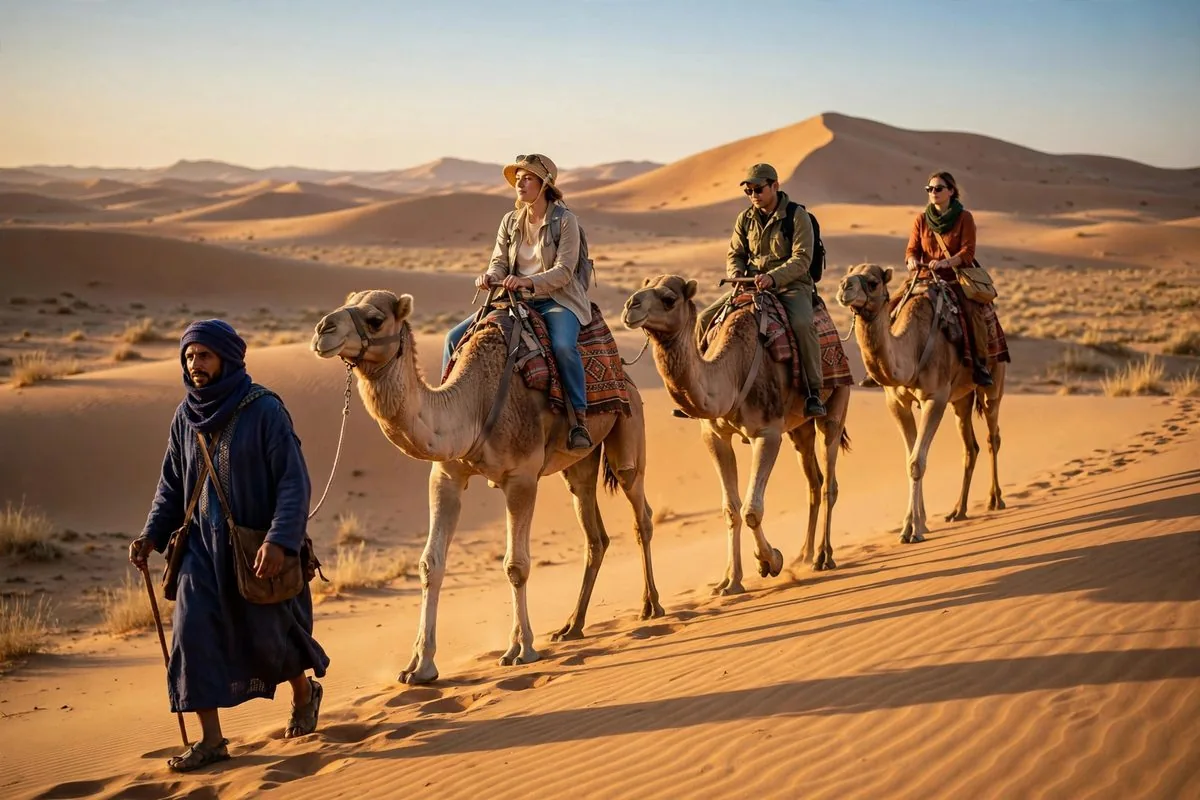
In spring and autumn, pack layers. A T-shirt for the day, a fleece or light jacket for the evening, and long trousers for the camel ride. Closed shoes work better than sandals on the sand and on the rocky stops. A scarf helps against wind and dust, and sun cream is needed all year. A small day bag holds water, a hat and your camera for the stops.
In winter, add a warm jacket, warm socks and gloves for the morning. The tent beds have blankets, but a warm layer helps you sleep. In summer, pack light cotton clothes, a hat and a water bottle you can refill. In every season, bring a power bank. There is often no plug in a standard tent, and you will want your phone charged for photos in the morning.
So, when should you go?
Go in October, November, March or April if you want the easiest trip. The weather is mild, the camps are full of life, and the camel ride is fun at any hour. Go in December or January if you want quiet dunes and low prices, and you do not mind cold nights. Go in summer only if you are sure about the heat and you plan your day around it.
There is no single perfect month for everyone. A family with small children will like March or October. A couple on a honeymoon may like November for the calm air. A photographer may like January for the clear sky. Tell your tour operator what matters to you, and they can pick the camp and the start time that fits your month.
Booking your month: a simple plan
Start by fixing your travel dates, then check the desert weather for that month before you book anything else. If you travel in October or April, book the camp and the tour three to four weeks ahead, because the best camps fill first and the private cars are taken. If you travel in January or February, one week ahead is often enough, and you can ask for a better camp at the same price. Tell the operator the month and the number of people, and ask them to state the camp type, the start time and what is in the price. A clear answer before you pay saves you a bad surprise on the road, and a good operator will answer fast.
Think about the rest of your trip when you pick the month. March and October are good for a full Morocco loop, because the cities are mild and the desert is warm. December is good for a short desert trip from Marrakech, because the days are clear and the drive is easy. July is best paired with the coast, so you spend the hot days in Essaouira and only one night in the desert. If your dates are fixed by work or school, pick the tour that fits those dates and plan around the heat or the cold. The desert is open all year, and every month works with the right plan and the right clothes.