In short. A night in a desert camp is simple and quiet. You ride a camel to the camp at sunset, eat dinner by the fire, listen to music, and sleep in a tent with a bed and blankets. There is no Wi-Fi, no street light, and no noise except the wind. This guide tells you what really happens, hour by hour, so you know what to expect.
Arriving at the camp
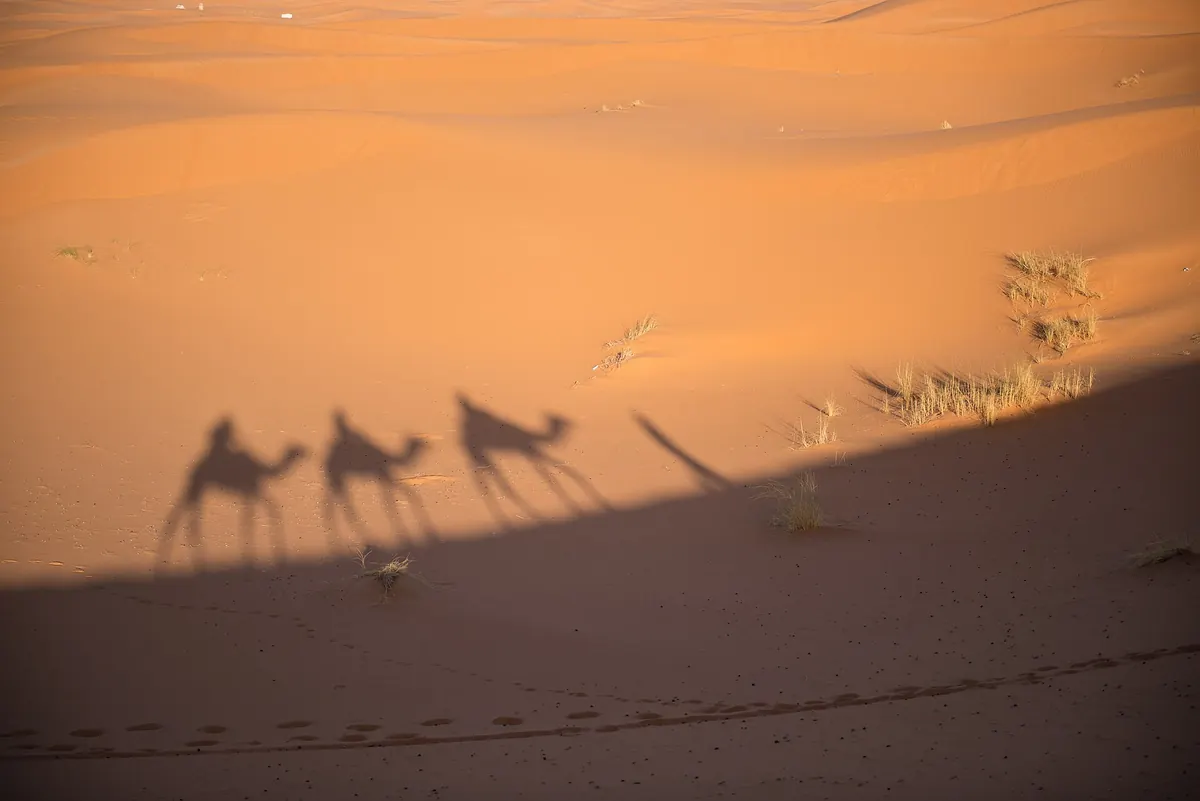
You reach Merzouga in the afternoon and leave your main bag at the hotel. You take a small overnight bag for the camp. The camel ride leaves about 1 hour before sunset and takes about 1 hour. The guide walks beside the camels and helps you get on and off. The ride is slow, and the sand is soft under the camel feet.
The camp appears in the dunes as a group of tents around a fire place. The tents are made of thick cloth, and each one has a bed, blankets and a small light. A standard camp has shared bathrooms a short walk away. A luxury camp has a private bathroom in the tent. Your guide shows you your tent and where the bathroom is.
Dinner and the evening
Dinner is served in a large tent or outside by the fire. The meal is simple and hot: soup, a tagine with chicken or vegetables, bread, and fruit or cake. Mint tea follows. The food is good, and there is enough for everyone. Tell the camp if you do not eat meat or if you have an allergy, so they can make a plate for you.
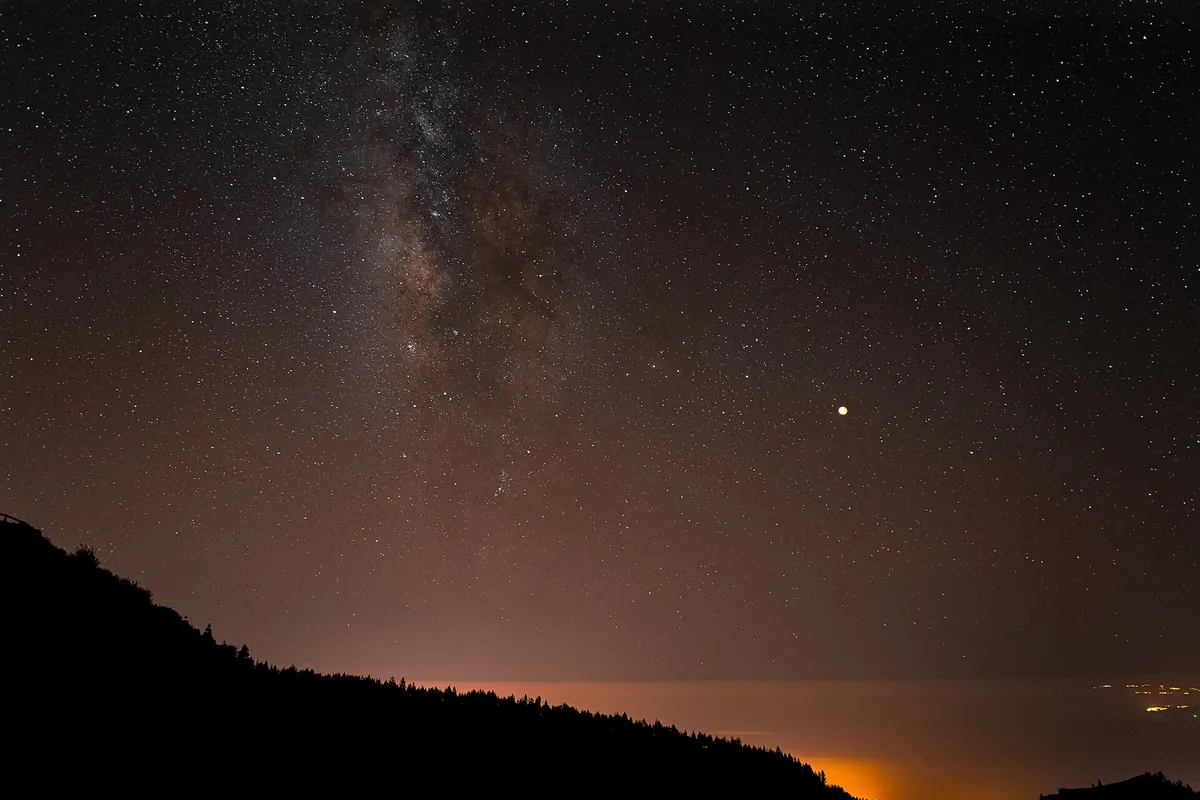
After dinner, the guides play music with drums and sing. You can sit by the fire, watch the stars, or join the music. The camp turns off most lights after dinner, and the sky gets very dark. On a clear night you can see the Milky Way. The evening is calm, and most people go to bed between 10 and 11 pm.
The tent and the night
A standard tent has a bed with a mattress, sheets and thick blankets. The tent is warm when you go to bed, but it cools fast at night. In winter, the temperature can drop near 0 degrees, so sleep in a warm layer and warm socks. In summer, the night stays warm at 25 to 30 degrees, and you can sleep with the tent door open.
There is often no plug in a standard tent, so charge your phone before the desert and bring a power bank. The bathroom in a standard camp is shared and a short walk from the tent. Bring a torch and sandals for the night walk. A luxury tent has a private bathroom, a proper bed and often a light and a plug. The night is quiet, and you sleep well after a day on the road.
Sunrise and the morning
The guide wakes you before sunrise, often around 6 am. You walk to a high dune near the camp and watch the sun come up. The sand turns gold, then pink, then light. The climb takes 10 to 15 minutes and the sand is cool under your feet. Take a jacket, because the morning is cold, even in summer.
After sunrise, you ride the camel back to Merzouga. The ride takes about 1 hour, and the light is soft. Breakfast is served at the hotel in Merzouga: bread, jam, eggs, fruit and coffee or tea. After breakfast, the tour continues to Fes or back to Marrakech. The camp night is over by 9 am, but the memory stays.
Toilets, water and showers
In a standard camp, the toilets are shared and sit a short walk from the tents. They are simple but clean, with a flush or a pit toilet. Bring your own toilet paper and hand wipes, just in case. There is no shower in most standard camps. You wash with a small basin of water in the morning, or you wait for the hotel in Merzouga.
In a luxury camp, the tent has a private bathroom with a toilet and a shower. The water is hot, but the supply is limited, so take a short shower. The camp has water for drinking and for washing, but it is brought in by car, so do not waste it. Bring a small towel and your own soap.
What to bring for the night
Bring a small overnight bag with a warm layer, warm socks, a hat, a torch, a power bank, water, sun cream and your toilet bag. Bring your phone and camera, and a scarf for the wind. Do not bring your main bag. It stays in the car or at the hotel in Merzouga, and you get it back in the morning.
Bring cash for drinks and tips. The camp sells water and soft drinks, and you pay in cash. Bring a book or a card game for the evening, because there is no Wi-Fi and no TV. The best thing to bring is an open mind. The camp is simple, and that is the point.
Is it right for you?
A desert camp night suits travellers who like simple nights, quiet places and early mornings. It suits couples, friends and families with children over 7. You do not need to be fit. The camel ride is slow, and the walk to the dune is short. The camp is safe, and the guides stay up all night.
It does not suit travellers who need a hotel with full comfort every night. If you need a private bathroom, a hot shower and a plug, book a luxury camp. If you cannot ride a camel, ask for a 4x4 transfer to the camp. Tell Top Morocco Tours what you need when you book, and they can pick the camp that fits.
What to expect, hour by hour
Here is the camp night, hour by hour. At 4 pm you reach Merzouga and leave your main bag at the hotel. At 5 pm you ride the camel to the camp, about 1 hour before sunset. At 6 pm you arrive at the camp, see your tent, and walk to a dune for the sunset. At 7 pm dinner is served: soup, a tagine, bread, fruit and mint tea. At 8 pm the guides play music and drums by the fire, and the stars come out. At 10 pm most people go to bed. At 6 am the guide wakes you for the sunrise, and at 7 am you ride the camel back to Merzouga for breakfast at the hotel.
The times change with the season, because sunset is early in winter and late in summer. In winter, dinner is early and the night is long and cold. In summer, dinner is late and the night is warm. In every season, bring a warm layer, a torch, a power bank and water. Do not bring your main bag, and do not expect Wi-Fi. The camp is simple on purpose: a bed, a fire, food and stars. That is the whole night, and for most travellers it is the best night of the trip.